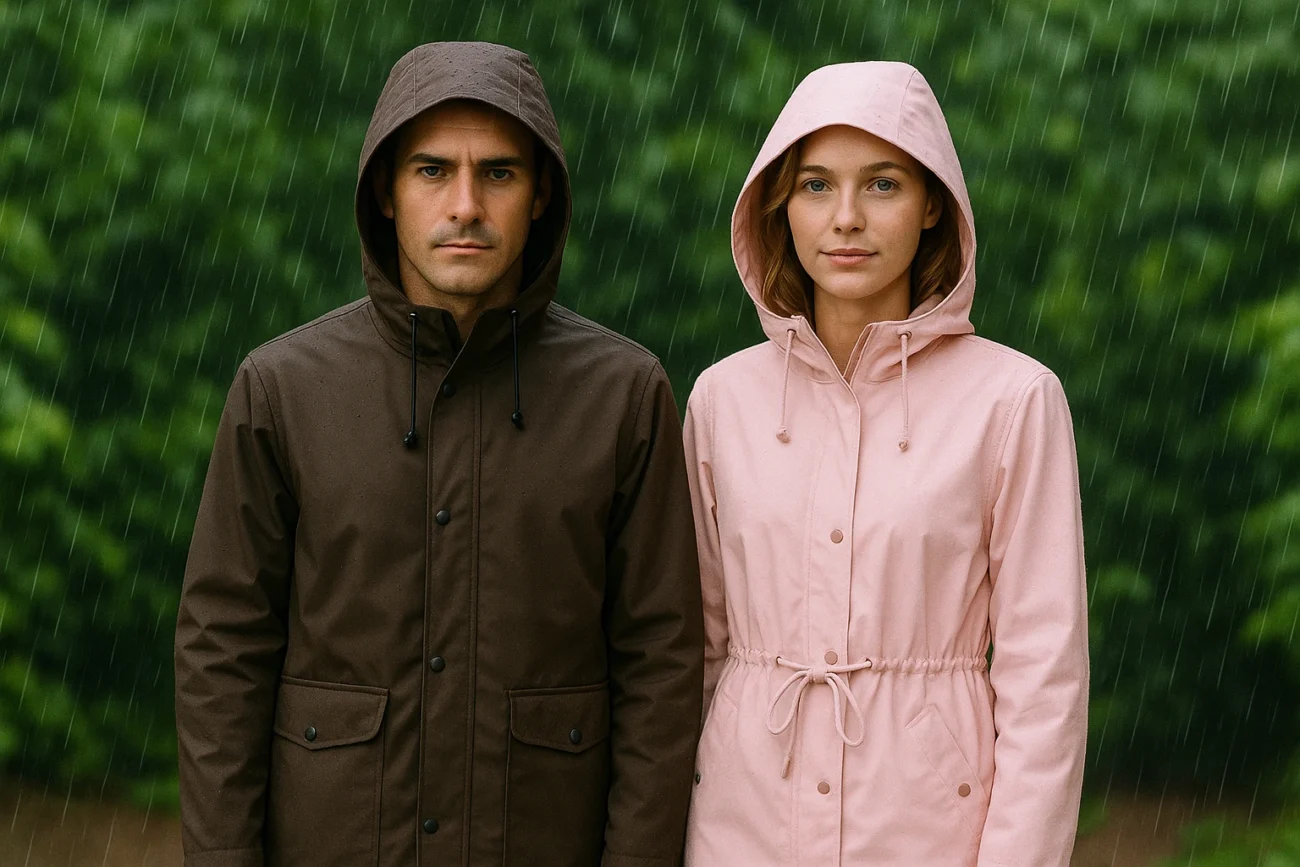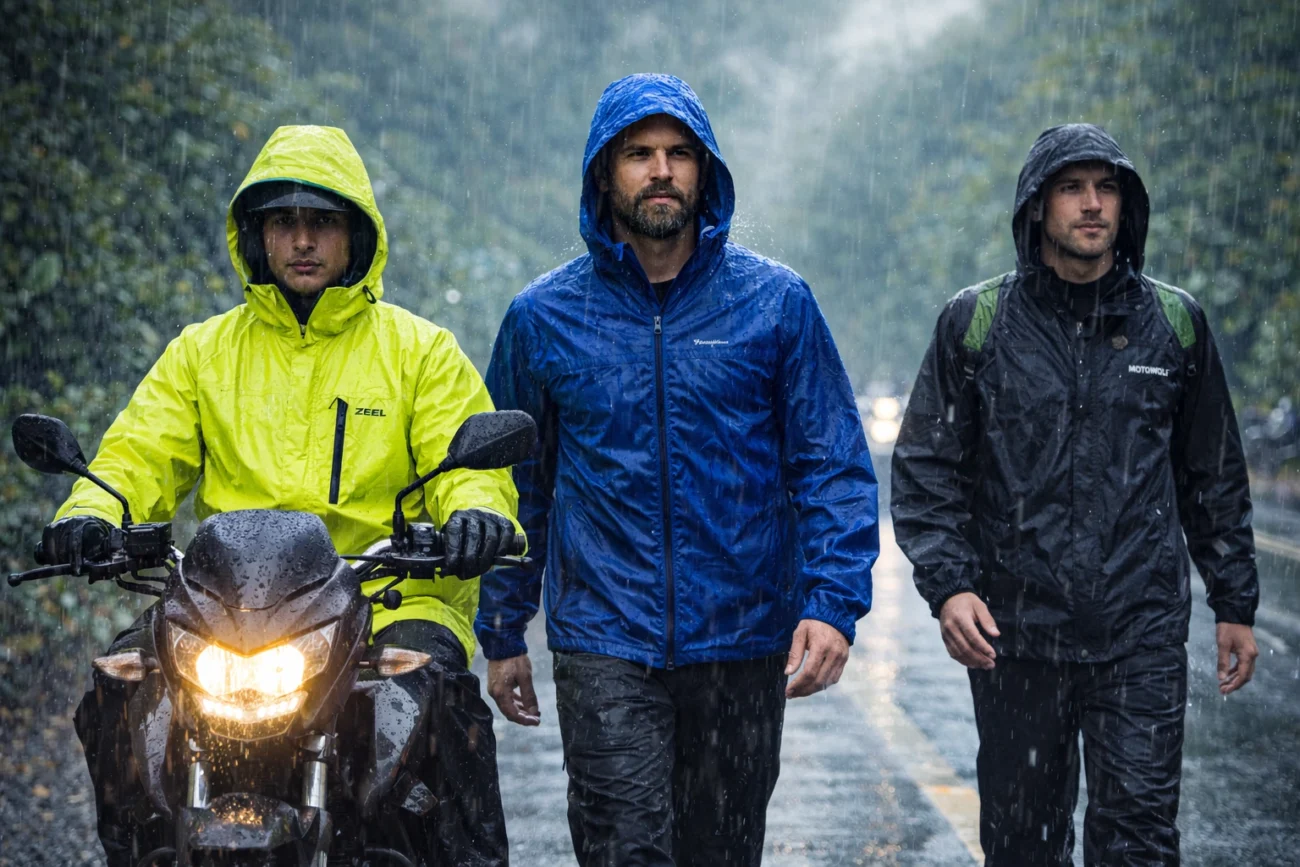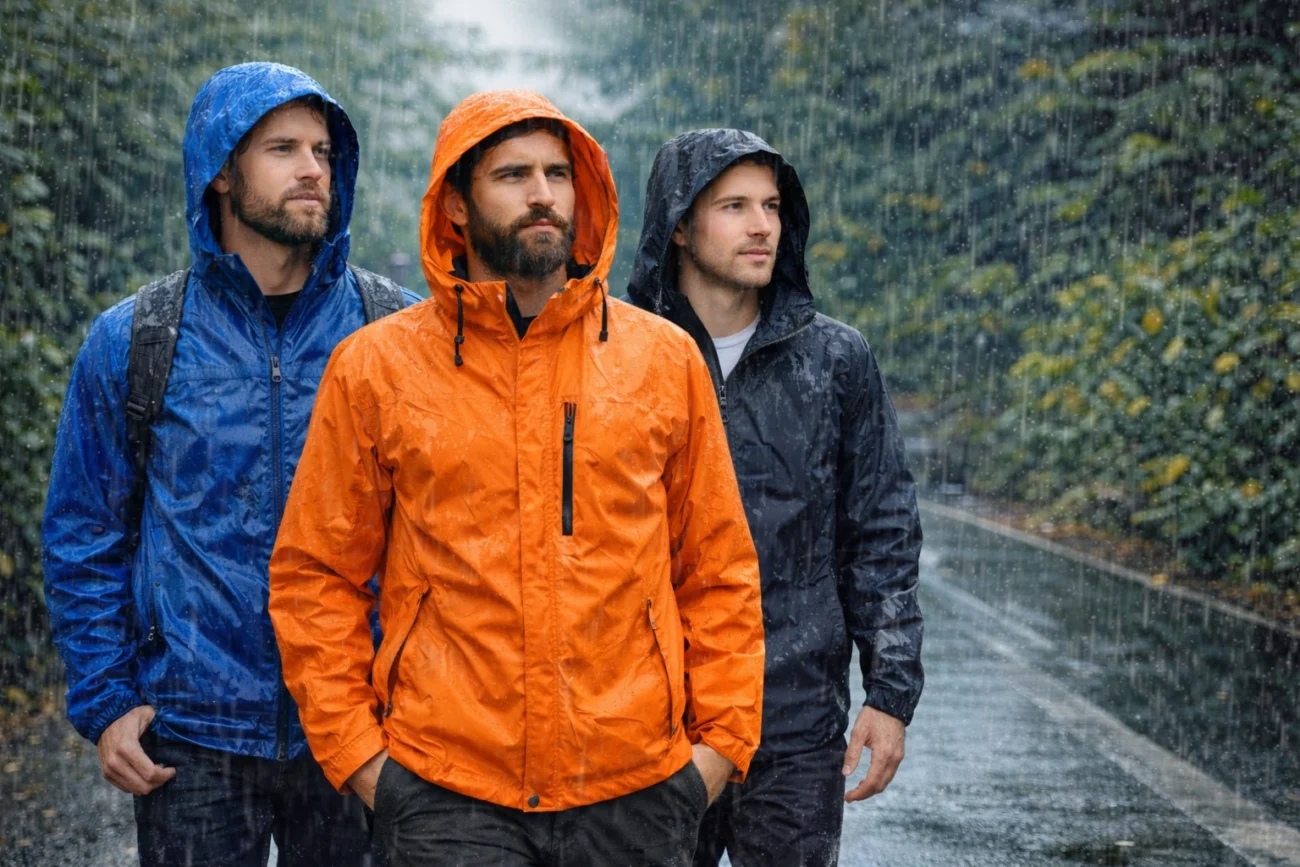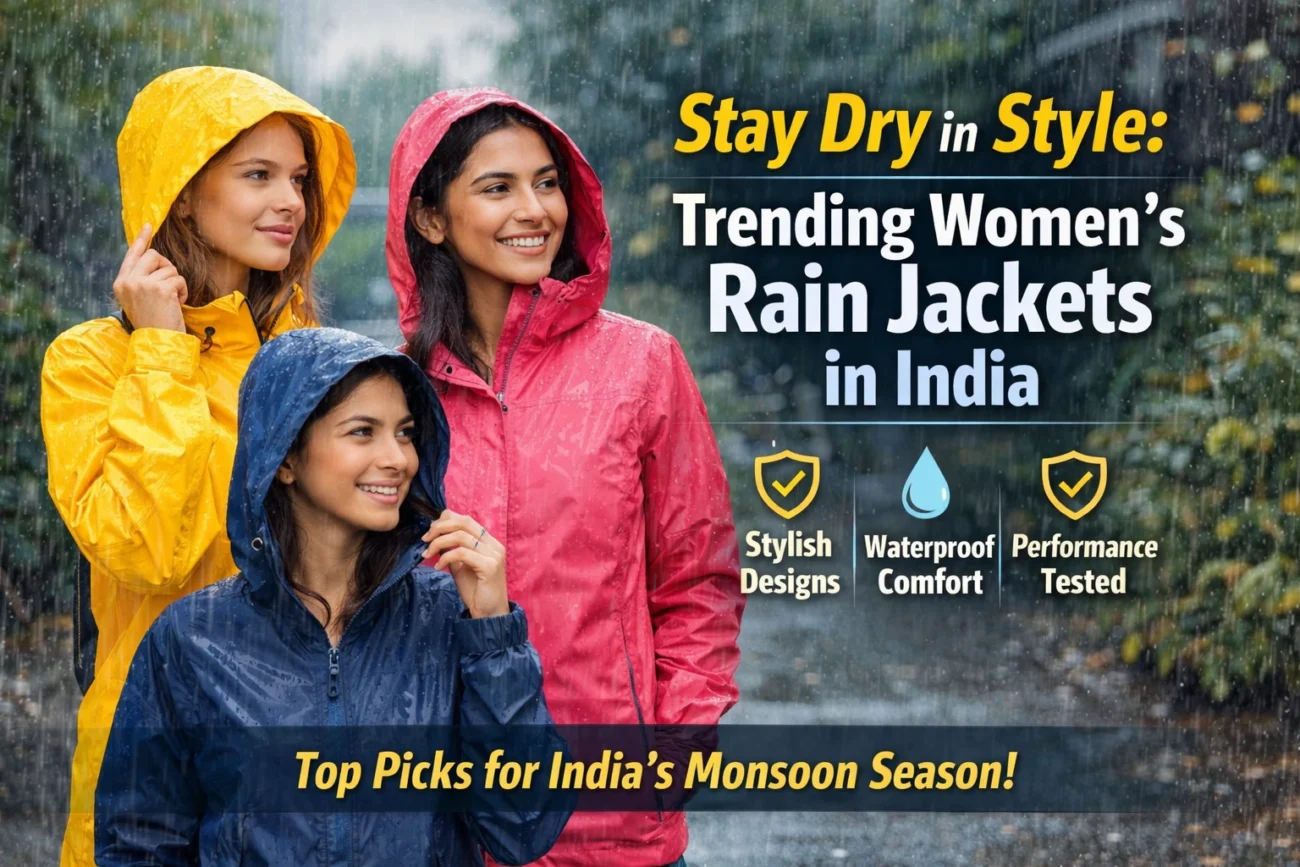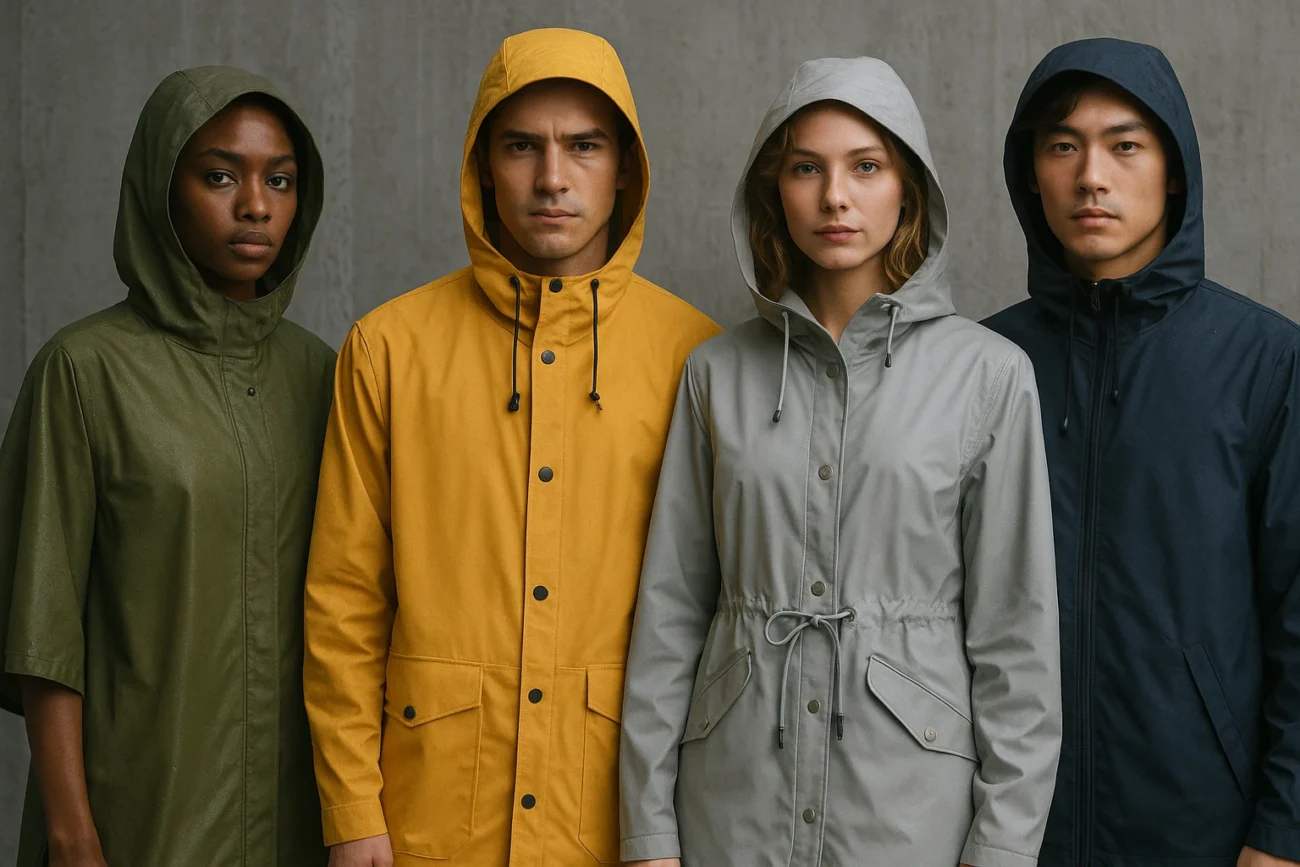
Rainwear fashion trends for 2026 are revolutionizing how consumers perceive rain protection, transforming utilitarian weather gear into statement pieces that rival traditional fashion categories. The global rainwear market’s projected growth from $2.5 billion in 2025 to $3.7 billion by 2033 reflects this fundamental shift, as designers increasingly prioritize aesthetics alongside functionality. At Real Rainwear, we specialize in creating premium raincoats and rain jackets that embody this evolution, offering Indian consumers stylish designs that seamlessly transition from monsoon necessities to year-round fashion essentials.
Spring 2025 runways showcased rainwear’s elevated status in high fashion, with luxury houses like Prada, Miu Miu, Lacoste, and Bally featuring rain jackets as central collection pieces rather than afterthoughts. This runway validation signals that rainwear fashion trends have permanently shifted from purely functional items to legitimate fashion statements that reflect personal style while delivering weather protection. For modern consumers who refuse to compromise between looking good and staying dry, 2026 promises the most exciting rainwear options ever available.
What Are the Defining Rainwear Fashion Trends for 2026?
Rainwear fashion trends entering 2026 emphasize bold silhouettes, unexpected textures, and design elements borrowed from high fashion rather than outdoor technical gear. This represents a dramatic departure from the conservative, performance-focused rainwear that dominated previous decades.
The most significant trends include:
Cropped and restructured silhouettes: Short trench-inspired rain jackets with belt details and storm flaps, popularized by Prada and Tory Burch, offer flattering proportions that layer effortlessly over dresses, jeans, or professional attire. These contemporary cuts move beyond traditional full-length raincoats to create more versatile, fashion-forward options.
Funnel-neck and oversized collar designs: High, sculpted collars that trap warmth and block wind while creating dramatic visual impact have appeared in collections from Alaïa and Saint Laurent. These architectural details transform rain jackets into statement outerwear where protection becomes a design feature rather than a compromise.
Translucent and textured materials: Fashion-forward rainwear incorporates translucent panels, lace overlays, and color-blocking designs that blur the boundaries between functional rainwear and high-fashion aesthetics. These innovative material applications allow wearers to showcase outfit layers beneath their rain protection.
Modular and convertible designs: Lightweight jackets featuring removable hoods, adjustable lengths, and versatile styling options provide maximum adaptability for different weather conditions and occasions. This multifunctionality appeals to consumers seeking value and versatility from their wardrobe investments.
Rainwear fashion trends in 2026 prioritize individual expression, allowing consumers to select styles that reflect personal aesthetics while maintaining comprehensive weather protection. At Real Rainwear, our design team closely monitors these global trends to create collections that resonate with Indian consumers’ style preferences and climate needs.
Why Are Color and Pattern Innovations Important in 2026 Rainwear?
Rainwear fashion trends for 2026 boldly reject the limited neutral palette that historically defined rain protection. While classic blacks, navies, and khakis remain available for conservative preferences, contemporary rainwear embraces vibrant colors, unexpected hues, and playful patterns that transform rainy days into opportunities for style expression.
Trending color directions include:
Jewel tones and pastels: Blush pinks, shamrock greens, coral, and sage green dominate lightweight shells and structured jackets, adding visual interest to gray monsoon days. These optimistic colors psychologically counteract dreary weather while creating Instagram-worthy outfit moments.
Metallic finishes: Silver, champagne, and gold metallic rain jackets appear in premium collections from brands like Prada, offering futuristic aesthetics that catch light dramatically even in overcast conditions. These eye-catching finishes work particularly well for urban evening wear and festival settings.
Bold primary colors: Bright reds, yellows, and electric blues provide both high visibility for safety purposes and confident style statements. These saturated hues perform double duty—practical for commuters needing visibility and fashionable for trendsetters seeking distinctive looks.
Retro-inspired patterns: Plaids, vintage florals, and soft geometric prints echo ’80s nostalgia seen in collections from Miu Miu and Cecilie Bahnsen. These patterns appeal to consumers seeking unique, conversation-starting rainwear rather than generic options.
Classic neutrals with a twist: Moss greens, warm creams, and sophisticated khakis offer versatile alternatives to basic black while maintaining workplace appropriateness. These refined neutrals suit professional contexts while showing more personality than traditional options.
Rainwear fashion trends demonstrate that protection from elements need not require sacrificing color joy or pattern playfulness. Modern consumers increasingly select rainwear that elevates mood and complements personal style rather than merely fulfilling functional requirements.
How Is Sustainability Shaping Rainwear Fashion Trends in 2026?
Rainwear fashion trends for 2026 increasingly prioritize environmental responsibility alongside style and performance. The women’s rain jacket market specifically shows strong consumer preference for brands emphasizing recycled materials and PFC-free durable water repellent (DWR) finishes. This sustainability focus reflects broader fashion industry shifts toward circular economy principles and reduced environmental impact.
Key sustainability innovations include:
Recycled material construction: Premium brands like Patagonia, Rains, and Arc’teryx utilize recycled polyester and nylon derived from post-consumer plastic bottles. Some innovative designs incorporate 99 recycled PET bottles per jacket, dramatically reducing virgin plastic demand while delivering identical performance to conventional materials.
PFC-free waterproofing treatments: Traditional perfluorinated compounds (PFCs) used in waterproof coatings persist in environments and bioaccumulate in organisms. Modern alternatives like soy wax coatings and plant-based DWR treatments provide effective water repellency without environmental toxicity.
Natural fiber integration: Organic cotton, hemp blends, and other sustainable natural materials appear in rainwear linings and backing layers, reducing synthetic material dependence. While these natural fibers may not serve as primary waterproof layers, their integration in complementary components reduces overall environmental footprint.
Circular design principles: Brands increasingly design rainwear for longevity, repairability, and eventual recycling rather than disposability. Modular construction allowing component replacement extends product lifespan significantly beyond traditional rainwear’s typical 2-3 year usage period.
Ethical production transparency: BSCI certifications, GOTS standards, and fair trade practices ensure rainwear production supports better working conditions while minimizing environmental damage. Conscious consumers increasingly investigate production ethics alongside material sustainability.
Rainwear fashion trends emphasizing sustainability challenge the fast fashion model prevalent in previous decades. According to UK reports, approximately 350,000 tonnes of clothing including raincoats end up in landfills annually—waste that sustainable design approaches directly combat. At Real Rainwear, we recognize this environmental imperative and continuously explore eco-friendly materials and production methods that reduce our ecological footprint while maintaining the quality and style our customers expect.
What Technical Innovations Are Enhancing Rainwear Functionality?
Rainwear fashion trends for 2026 successfully merge cutting-edge technical performance with refined aesthetics, proving that consumers need not choose between protection and style. Advanced waterproof membranes, breathability systems, and smart fabric technologies elevate rainwear beyond basic water resistance to comprehensive weather protection systems.
Notable technical advancements include:
Next-generation waterproof membranes: Gore-Tex Pro, eVent AscentShell Dry, and proprietary branded membranes deliver exceptional waterproofing (20,000mm+) while maintaining high breathability ratings (20,000+ g/m²/day). These advanced textiles prevent external moisture penetration while allowing internal vapor escape, crucial for comfort during physical activity in humid conditions.
Strategic ventilation systems: Pit zippers, back vents, and mesh-lined panels provide active temperature regulation without compromising waterproof integrity. TorsoFlo systems featuring side zippers from hem to bicep offer superior ventilation compared to conventional underarm designs.
Stretch fabric integration: Four-way stretch materials incorporated into critical movement zones ensure rainwear moves naturally with wearers rather than restricting motion. This flexibility particularly benefits active users engaging in sports, hiking, or physical commuting.
Reflective and luminescent elements: Subtle reflective detailing and photo-luminescent accents enhance visibility during low-light conditions while contributing to contemporary aesthetic appeal. These safety features integrate seamlessly into design elements rather than appearing as obvious afterthoughts.
Packable construction: Ultralight materials and innovative compression systems allow full-featured rain jackets to pack into attached pouches roughly the size of water bottles, weighing as little as 4-6 ounces. This portability ensures protection availability whenever unexpected weather strikes.
Rainwear fashion trends demonstrate that technical innovation and style excellence are complementary rather than competing priorities. Modern consumers expect comprehensive performance delivered through attractive, confidence-inspiring designs that enhance rather than detract from personal presentation.
How Should Consumers Select Rainwear That Balances Trends and Timelessness?
Rainwear fashion trends present a paradox: consumers desire current, stylish designs yet need investment pieces that remain relevant beyond single seasons. Successfully navigating this balance requires strategic selection criteria that prioritize versatile foundations while allowing trend expression through details.
Effective rainwear investment strategies include:
Build around versatile silhouettes: Select primary rainwear in classic cuts—tailored trenches, streamlined parkas, or sophisticated A-line styles—that transcend temporary trends. These foundational pieces serve reliably across multiple seasons regardless of runway shifts.
Choose adaptable neutral bases: Invest in sophisticated neutrals (navy, charcoal, forest green, camel) for primary rainwear, then incorporate trendy colors through less expensive accessories or secondary pieces. This approach provides style flexibility without requiring complete wardrobe replacement as trends evolve.
Prioritize quality over quantity: One exceptional raincoat made from durable materials with superior construction outlasts and outperforms multiple cheap alternatives. Quality investment pieces justify higher upfront costs through extended lifespans—often 5-10 years with proper maintenance compared to 1-2 years for fast fashion equivalents.
Select multifunctional designs: Rainwear that transitions seamlessly between outdoor activities, professional settings, and casual occasions provides maximum utility and value. Convertible features, removable components, and neutral styling increase wearing opportunities across diverse contexts.
Consider personal lifestyle authenticity: Choose rainwear aligned with actual usage patterns rather than aspirational scenarios. Urban commuters require different features than hiking enthusiasts; professional contexts demand different aesthetics than creative environments.
Rainwear fashion trends offer exciting options for style expression, but thoughtful consumers balance trend participation with practical longevity considerations. At Real Rainwear, our collections include both trend-forward statement pieces and timeless classics, allowing customers to build rainwear wardrobes that serve immediate style desires and long-term functional needs.
What Regional Adaptations Are Shaping Indian Rainwear Fashion?
Rainwear fashion trends specifically tailored for Indian markets demonstrate how global style directions adapt to regional climate realities, cultural preferences, and practical requirements. India’s unique monsoon patterns, high humidity levels, and diverse regional precipitation differences necessitate specialized design approaches that balance international fashion influences with local functionality.
Indian-specific rainwear considerations include:
Breathability prioritization: India’s hot, humid monsoon climate makes moisture vapor transmission even more critical than in temperate regions. Rainwear designed for Indian markets must emphasize exceptional breathability to prevent internal condensation and discomfort during wear.
Extended length preferences: Indian consumers often prefer longer raincoats that protect clothing more comprehensively, particularly for two-wheeler commuters who represent significant market segments. Mid-thigh to knee-length designs suit Indian transportation realities better than cropped Western styles.
Vibrant color enthusiasm: Indian fashion sensibilities embrace bold colors and patterns more readily than minimalist Western aesthetics. Rainwear incorporating bright hues, ethnic-inspired patterns, and decorative details resonates strongly with Indian consumers seeking both protection and style expression.
Affordability without compromise: While premium segments exist, mainstream Indian rainwear markets require excellent value propositions—reliable performance at accessible price points. Successful brands balance quality materials and construction with cost-consciousness that respects diverse economic realities.
Cultural versatility: Rainwear that accommodates traditional Indian garments like kurtas, salwar kameez, and sarees alongside Western clothing serves broader consumer bases. Design flexibility supporting diverse wardrobe foundations increases product relevance across demographic segments.
Rainwear fashion trends succeeding in India demonstrate cultural sensitivity alongside global style awareness, creating products that feel locally relevant while maintaining international fashion currency.
Frequently Asked Questions
Q: Are trendy rainwear designs less functional than traditional styles?
A: No. Modern rainwear successfully integrates fashion-forward aesthetics with advanced technical performance. Premium brands use cutting-edge waterproof membranes, breathable fabrics, and strategic design features that deliver superior protection while looking stylish.
Q: How do I incorporate sustainable rainwear into my wardrobe?
A: Look for raincoats made from recycled polyester or nylon, featuring PFC-free waterproofing treatments and ethical production certifications. Prioritize quality construction that ensures longevity, reducing replacement frequency and overall environmental impact.
Q: What colors are most versatile for investment rainwear pieces?
A: Navy, charcoal, forest green, and sophisticated camel provide maximum versatility across professional and casual contexts. These refined neutrals complement most wardrobes while showing more personality than basic black.
Q: Can I wear fashion-forward rainwear to professional settings?
A: Yes. Select tailored silhouettes in neutral or jewel tones with minimal branding and clean lines. Trench-inspired designs, structured parkas, and sophisticated A-line styles work well in business environments while maintaining contemporary aesthetics.
Q: How often should rainwear fashion trends influence my purchases?
A: Build a wardrobe foundation with timeless, high-quality pieces in versatile styles, then selectively incorporate 1-2 trend-forward items per season if desired. This balanced approach maintains style currency without requiring constant replacement.
Q: What makes 2026 rainwear different from previous years?
A: 2026 rainwear emphasizes bolder colors, architectural silhouettes, sustainable materials, and genuine fashion credibility validated by luxury runway presence. The distinction between “rain gear” and “fashion” has essentially dissolved, with rainwear now recognized as a legitimate style expression.