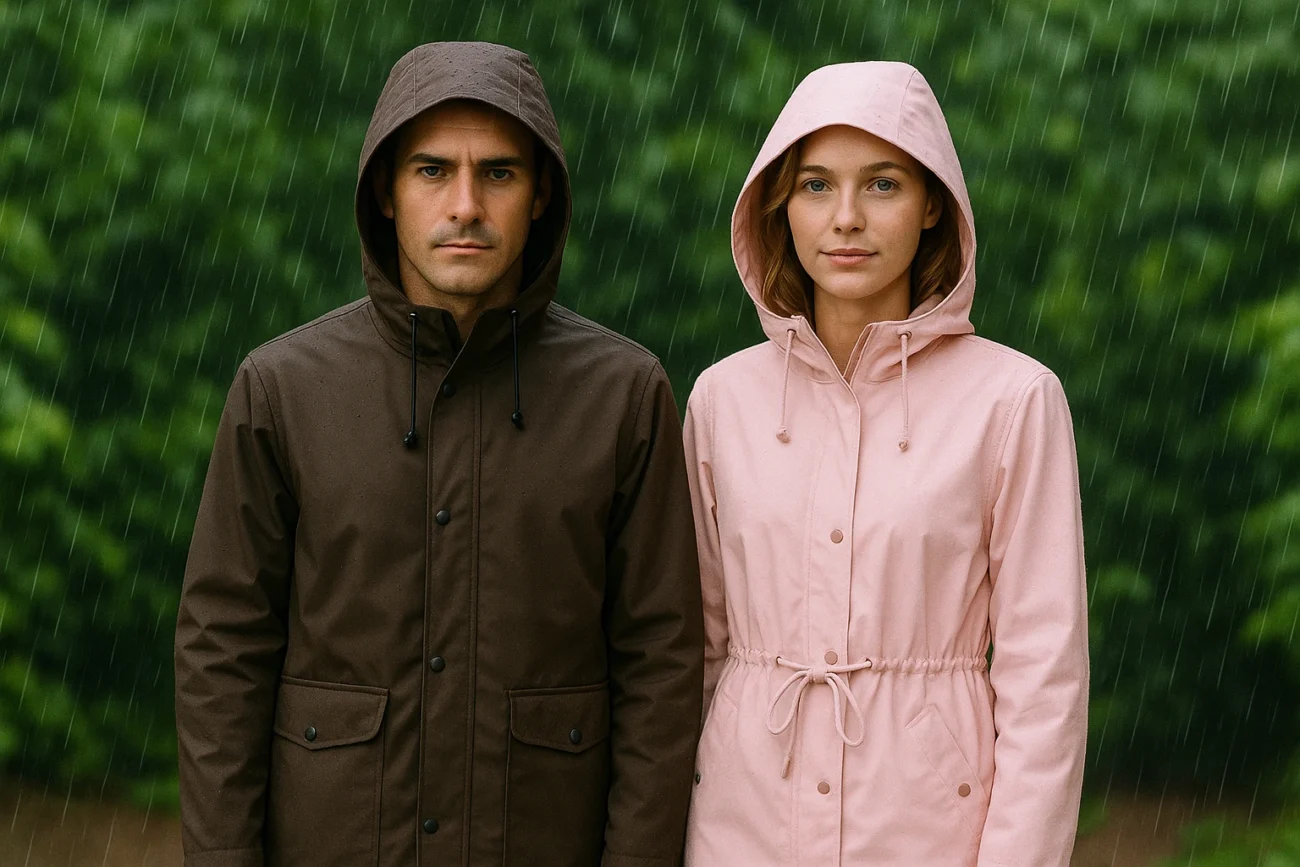
Raincoats for monsoon 2026 are essential investments for anyone navigating India’s increasingly unpredictable weather patterns. India’s 2025 southwest monsoon delivered 937.2mm of rainfall-108% above the long-period average-marking the second consecutive year of above-normal rains. With nearly half the country experiencing extreme rainfall events during recent monsoons, choosing the right raincoat has become more critical than ever for staying dry, comfortable, and protected during India’s wettest months.
At Real Rainwear, we specialize in designing premium raincoats that combine functionality with style, tailored specifically for Indian monsoon conditions. This comprehensive buying guide will help you navigate the essential features, materials, and considerations for selecting the perfect raincoat for monsoon 2026.
Why Are Raincoats Essential for Indian Monsoon 2026?
Raincoats for monsoon 2026 serve as your first line of defense against India’s intense and prolonged rainy season. The Indian Meteorological Department’s 2025 data confirms that rainfall patterns have become more extreme, with certain regions like Maharashtra and Gujarat experiencing significantly above-average precipitation. For daily commuters, outdoor workers, students, and travelers, a quality raincoat isn’t just about staying dry-it’s about maintaining health, productivity, and comfort during months of continuous rainfall.
The global raincoat market, valued at $2.5 billion in 2025, is projected to reach $3.7 billion by 2033, driven by unpredictable weather patterns and growing consumer awareness about quality rain protection. Real Rainwear has positioned itself at the forefront of this market by offering products that specifically address the unique challenges of Indian weather, including high humidity levels that make breathability as important as waterproofing.
How Do You Choose the Right Waterproof Rating for Indian Monsoon Conditions?
Raincoats for monsoon 2026 require appropriate waterproof ratings to handle India’s heavy downpours effectively. Waterproof ratings, measured in millimeters (mm), indicate how much water pressure a fabric can withstand before leaking. Understanding these ratings is crucial for making an informed purchase decision.
For Indian monsoon conditions, consider these waterproof rating benchmarks:
- 1,500mm to 5,000mm: Suitable for light rain showers and brief exposure, ideal for quick errands
- 5,000mm to 10,000mm: Recommended for moderate to steady rainfall, perfect for daily commuting during monsoon
- 10,000mm and above: Essential for heavy monsoon downpours and prolonged outdoor exposure
Raincoats for monsoon 2026 should ideally feature ratings between 5,000mm and 10,000mm for most Indian cities experiencing regular monsoon rainfall. High-denier nylon fabrics (420D to 1000D) with tight weave density provide enhanced waterproofing by minimizing gaps between fibers. At Real Rainwear, our premium raincoats feature polyurethane (PU) coatings and advanced fabric treatments that deliver hydrostatic resistance ratings suitable for India’s heaviest rainfall regions.
What Fabric Technologies Work Best for Hot and Humid Monsoon Weather?
Raincoats for monsoon 2026 must balance waterproofing with breathability-a critical consideration for India’s hot and humid monsoon climate. Modern raincoat fabrics incorporate sophisticated technologies that prevent external water penetration while allowing internal moisture vapor to escape, keeping you comfortable even during physical activity.
The most effective fabric options include:
- Nylon with PU or silicone coatings: Nylon dominates the Indian raincoat market due to its durability and water resistance. Treatments like polyurethane coatings or silicone impregnation provide reliable moisture protection.
- Breathable waterproof membranes: Advanced fabrics featuring Gore-Tex or eVent technology ensure wearers remain dry and comfortable during movement. These membranes allow sweat vapor to escape while blocking external water.
- PFC-free waterproof coatings: Eco-conscious options that avoid harmful chemicals without sacrificing water resistance, aligning with sustainability trends.
- Recycled PET and TPU materials: Sustainable alternatives offering flexibility and durability while reducing environmental impact.
Raincoats for monsoon 2026 increasingly incorporate recycled materials and eco-friendly coatings, reflecting consumer demand for environmentally responsible products. When selecting fabric, prioritize breathability ratings measured in grams per square meter per day (g/m²/day)-higher numbers indicate better moisture vapor transmission, essential for India’s humid conditions.
What Essential Features Should Your Monsoon Raincoat Include?
Raincoats for monsoon 2026 require specific design features to handle Indian weather conditions effectively. Beyond basic waterproofing, thoughtful construction details significantly impact functionality, comfort, and durability during extended wear.
- Sealed seams: Inspect seam sealing carefully, as unsealed or poorly sealed seams are common failure points where water penetrates. Quality raincoats feature taped or welded seams that prevent moisture intrusion.
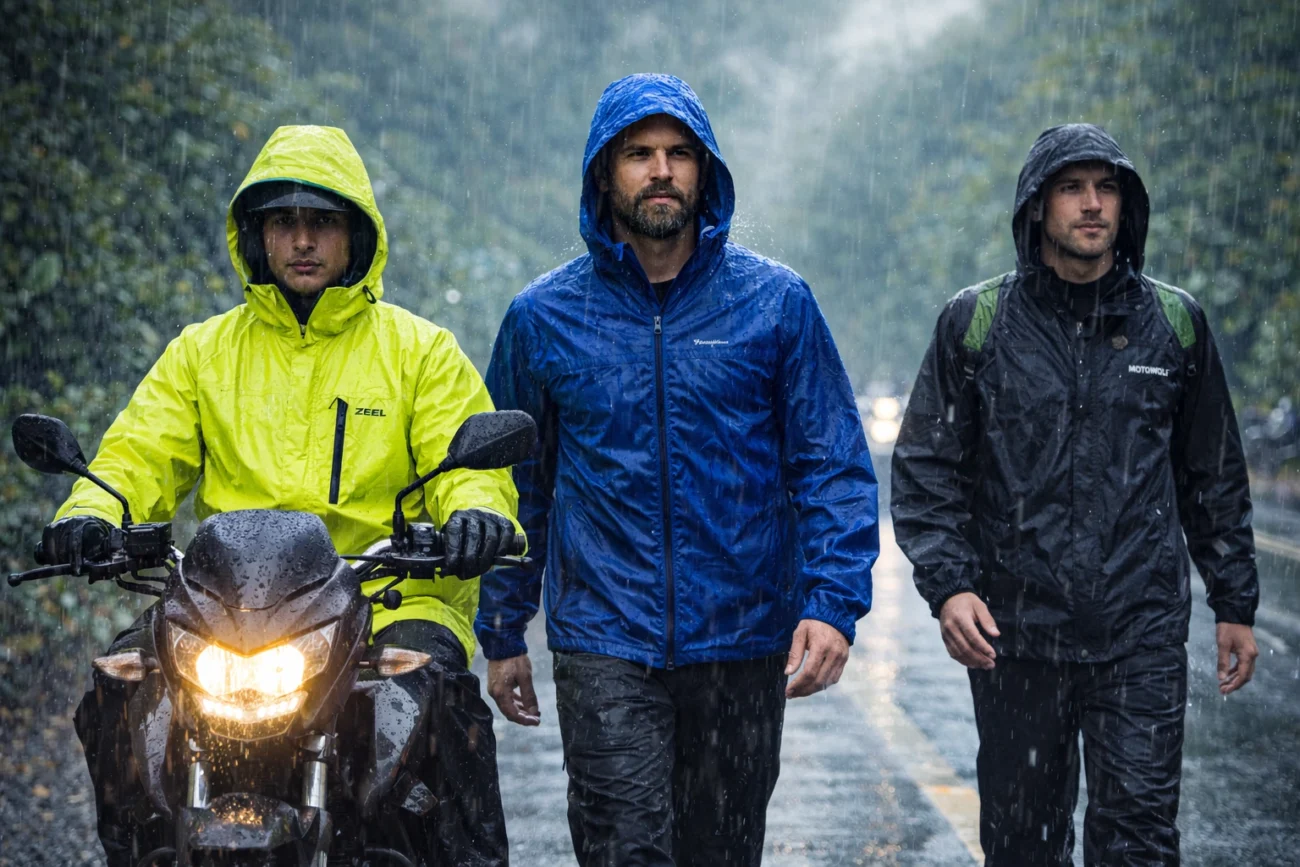
- Adjustable hood with visor: A helmet-compatible, fully adjustable hood protects your head and face from driving rain while maintaining visibility. Look for hoods with drawcord adjustments and stiff visors that channel water away from your face.
- Ventilation systems: Pit zippers or back vents allow heat and moisture to escape, crucial for preventing internal condensation in humid conditions. TorsoFlo venting systems, which feature side zippers running from hem to bicep, offer superior ventilation.
- Water-resistant zippers: YKK Aquaguard or similar water-resistant zippers prevent leakage through closure points. Regular zipper maintenance with silicone-based lubricants ensures smooth operation.
- Reflective elements: Safety strips enhance visibility during low-light monsoon conditions, essential for motorcycle riders and pedestrians.
- Appropriate length: Full-length raincoats provide better protection than waist-length jackets during heavy downpours typical of Indian monsoons.
At Real Rainwear, our product designs incorporate these essential features alongside stylish aesthetics that move rainwear beyond purely functional gear into fashionable everyday wear.
How Do You Maintain Your Raincoat for Maximum Longevity?
Raincoats for monsoon 2026 represent significant investments that require proper maintenance to preserve waterproofing effectiveness and extend lifespan. Many raincoats fail prematurely due to neglect rather than inherent quality issues, particularly regarding the durable water repellent (DWR) coating that causes water to bead and roll off fabric surfaces.
Follow these maintenance practices:
- Regular cleaning: Shake off dirt and debris after each use. Gently scrub with a soft brush or sponge, focusing on stained areas. Use technical cleaners specifically designed for waterproof fabrics rather than regular detergents that can damage protective coatings.
- Proper drying: Air dry on broad-shouldered hangers to maintain shape, or use medium-heat tumble drying. Avoid direct sunlight or high heat that can degrade fabric treatments.
- DWR reactivation: When water stops beading on the surface, reactivate the DWR coating through gentle heat application after washing, or apply fresh DWR treatment.
- Mildew prevention: Store with silica gel packets or moisture-absorbing sachets to prevent mold growth. Never store damp raincoats in enclosed spaces.
- Seam inspection: Check sealed seams regularly for peeling or wear. Use seam sealer kits to reinforce compromised areas.
- Zipper care: Clean zippers with damp cloths and apply silicone-based lubricant to prevent corrosion and ensure smooth operation.
Raincoats for monsoon 2026 that receive proper care can maintain waterproof integrity for multiple seasons, making maintenance knowledge as valuable as initial product selection.
What Price Range Should You Consider for Quality Monsoon Raincoats?
Raincoats for monsoon 2026 span a wide price spectrum, from budget-friendly options under ₹2,000 to premium technical shells exceeding ₹10,000. The India raincoat and umbrella market serves diverse consumer segments, with price sensitivity remaining a significant factor in purchasing decisions.
Budget considerations should balance upfront cost against longevity and performance. Disposable rain ponchos and low-quality raincoats may offer immediate savings but often fail during heavy rainfall or after minimal use, ultimately costing more through frequent replacement. Quality raincoats from established manufacturers like Real Rainwear, Duckback, and Wildcraft typically range from ₹1,500 to ₹5,000 for consumer products, offering reliable performance for multiple monsoon seasons.
For specialized applications-outdoor sports, extreme weather exposure, or professional use-investing in premium raincoats with advanced fabric technologies (Gore-Tex, eVent) and superior construction may justify higher prices. These technical shells typically offer enhanced breathability, lighter weight, and better durability.
Rising disposable income levels across India have increased willingness to invest in quality rain protection that combines functionality with style. Real Rainwear offers competitive pricing for bulk orders and maintains affordability despite premium positioning, making quality monsoon protection accessible to broader consumer segments.
Why Is Style Important in Modern Rainwear Selection?
Raincoats for monsoon 2026 have evolved beyond purely functional gear into fashion statements that reflect personal style while providing weather protection. The traditional perception of raincoats as “boring” or unstylish is rapidly changing as brands recognize consumer demand for aesthetically appealing rain protection.
Modern rainwear trends emphasize:
- Fashion-forward designs: Contemporary cuts, flattering silhouettes, and stylish color options that transition seamlessly from outdoor activities to urban environments.
- Versatile styling: Raincoats that function as everyday jackets, suitable for professional settings, casual outings, and outdoor adventures.
- Sustainable aesthetics: Eco-friendly materials and production methods that appeal to environmentally conscious consumers without compromising style.
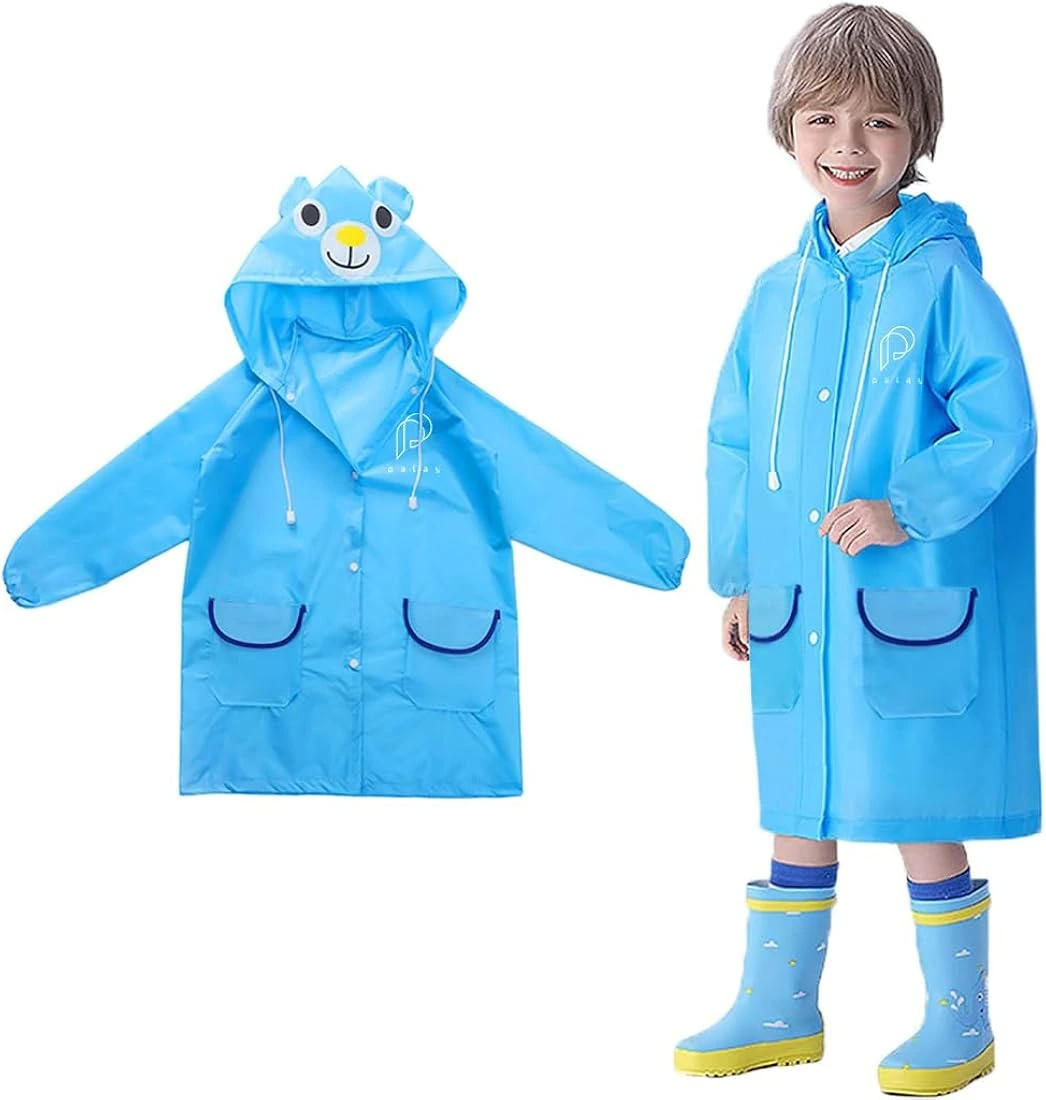
- Gender-specific options: Tailored fits and designs for men, women, and children that acknowledge different body types and style preferences.
The rainwear industry’s transformation reflects broader fashion trends toward functional clothing that doesn’t sacrifice aesthetics. Brands successfully integrating style with performance capture larger market shares, particularly among younger urban consumers who prioritize both protection and appearance.
Frequently Asked Questions
Q: How often should I replace my monsoon raincoat?
A: With proper maintenance, quality raincoats should last 3-5 monsoon seasons. Replace when waterproofing fails despite DWR reactivation, seams deteriorate, or fabric shows significant wear.
Q: Can I machine wash my raincoat?
A: Yes, most raincoats can be machine washed using technical cleaners on gentle cycles with appropriate water temperature. Avoid regular detergents, fabric softeners, and bleach that damage waterproof coatings.
Q: What waterproof rating do I need for Mumbai or Goa during monsoon?
A: For high-rainfall regions like Mumbai and Goa, which contributed significantly to India’s 2025 monsoon totals, choose raincoats rated 5,000mm to 10,000mm minimum for adequate protection during sustained heavy rainfall.
Q: Are breathable raincoats worth the extra cost for Indian weather?
A: Absolutely. India’s hot, humid monsoon climate makes breathability essential for comfort. Breathable fabrics prevent internal condensation and overheating, particularly important during physical activity or extended wear.
Q: How do I know if my raincoat’s DWR coating needs reactivation?
A: When water stops beading on the surface and instead soaks into the fabric (wetting out), your DWR coating needs reactivation through gentle heat or fresh treatment application.
Q: Should I choose a raincoat or rain jacket for monsoon season?
A: For Indian monsoon conditions, full-length raincoats provide better protection than shorter rain jackets, particularly during heavy downpours and when riding two-wheelers. However, breathable rain jackets work well for hiking and active outdoor pursuits where mobility is prioritized.