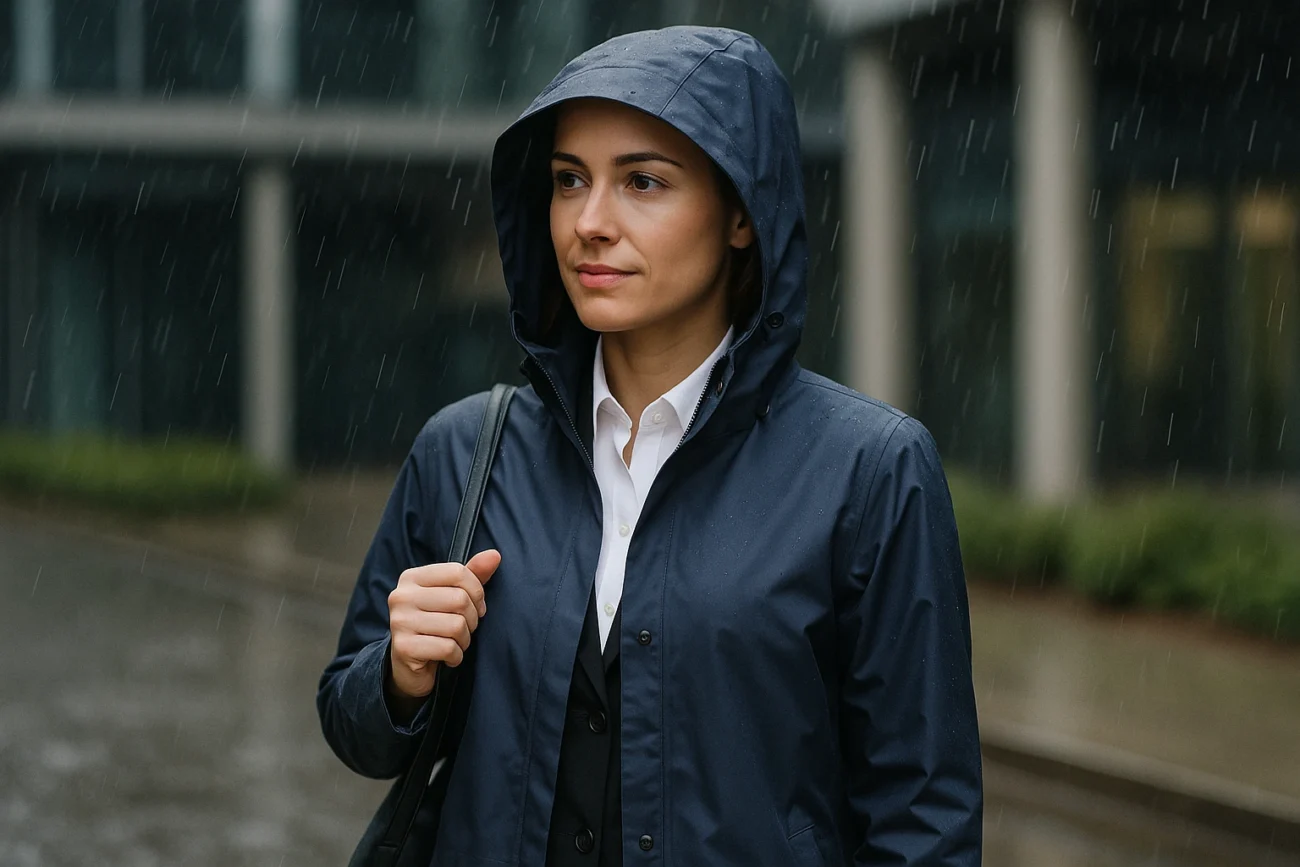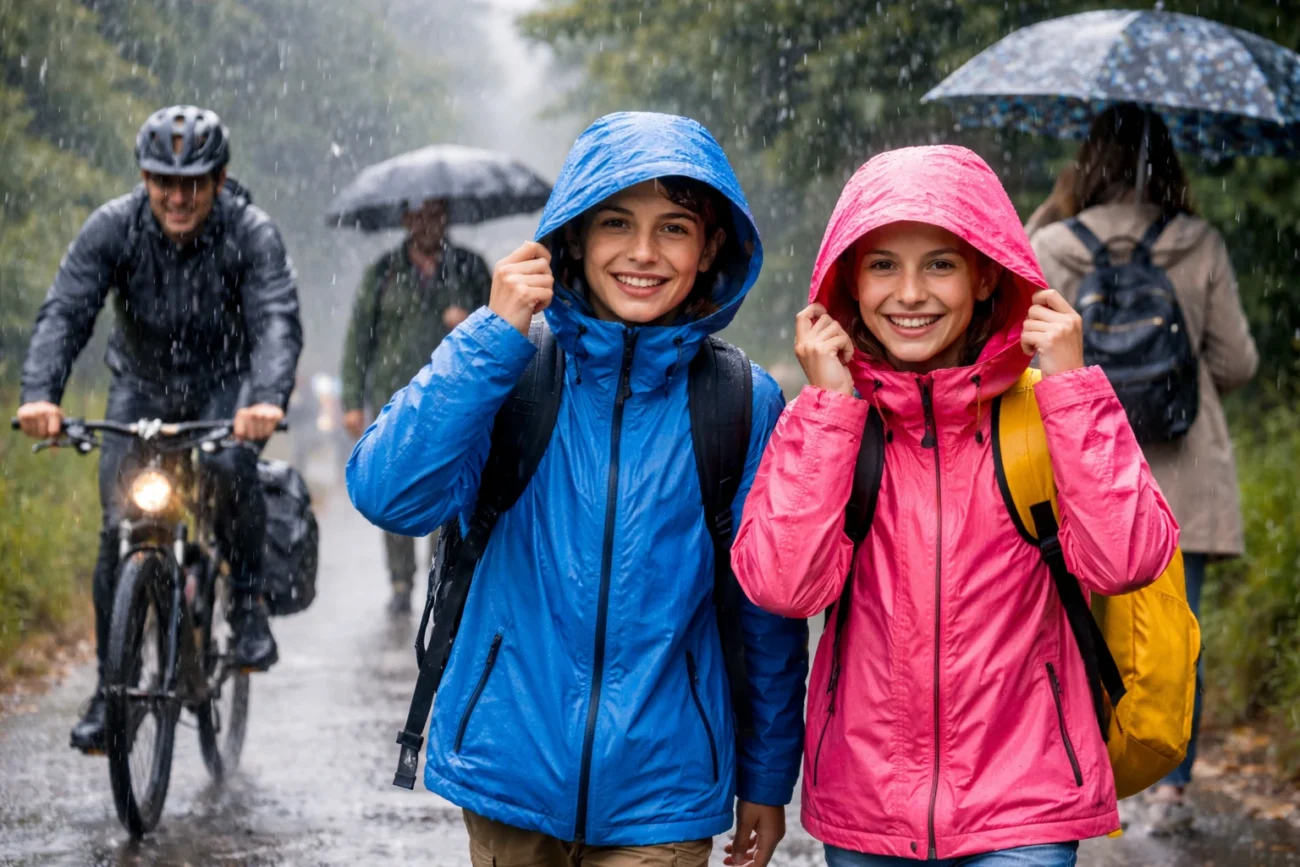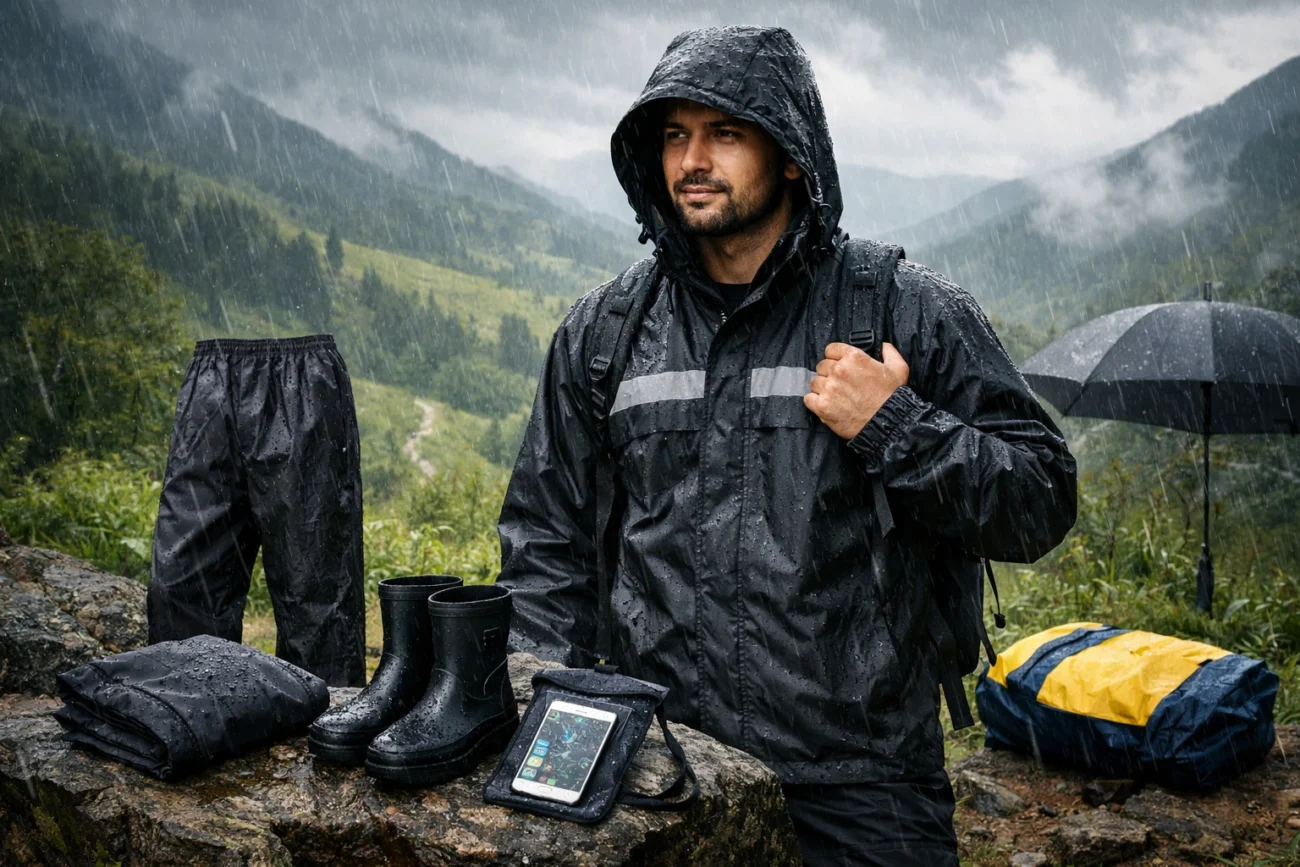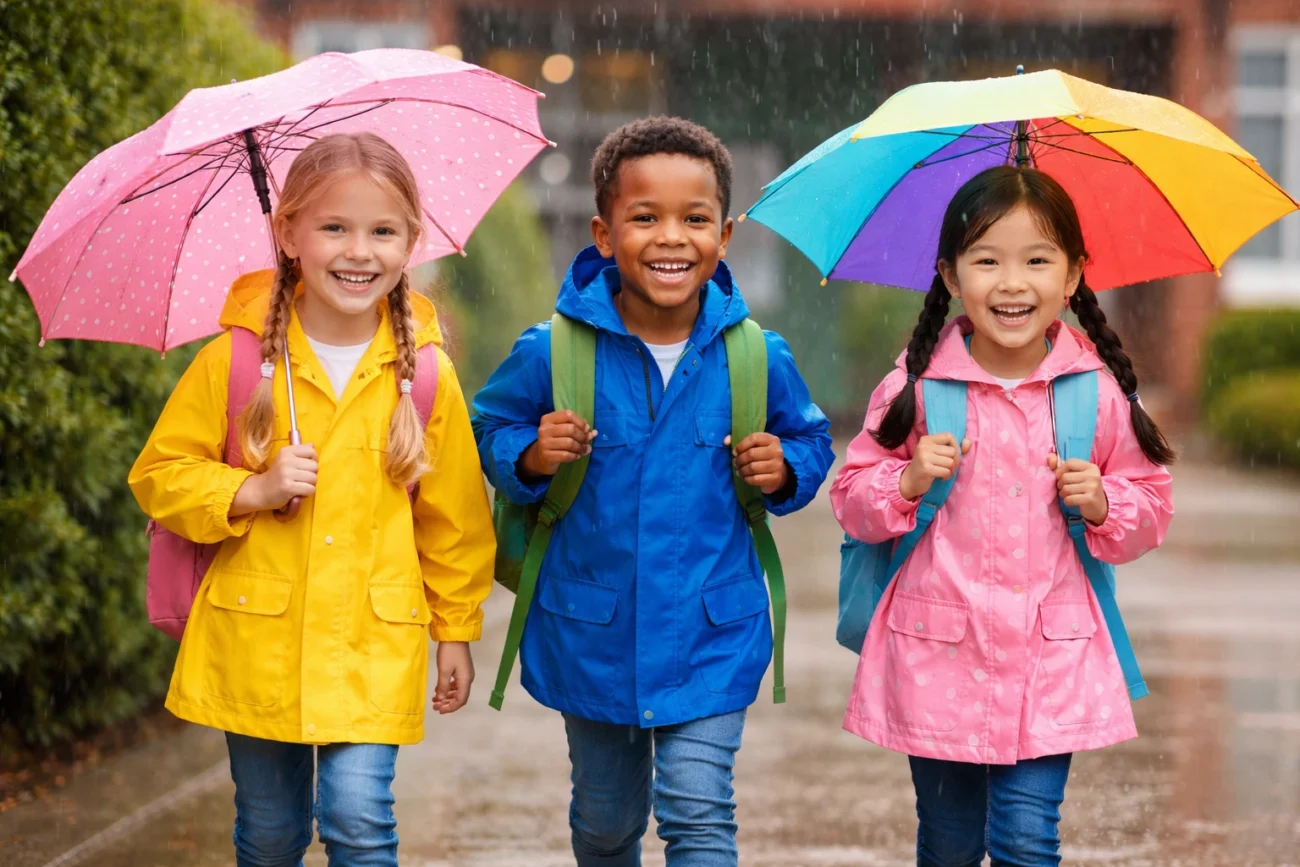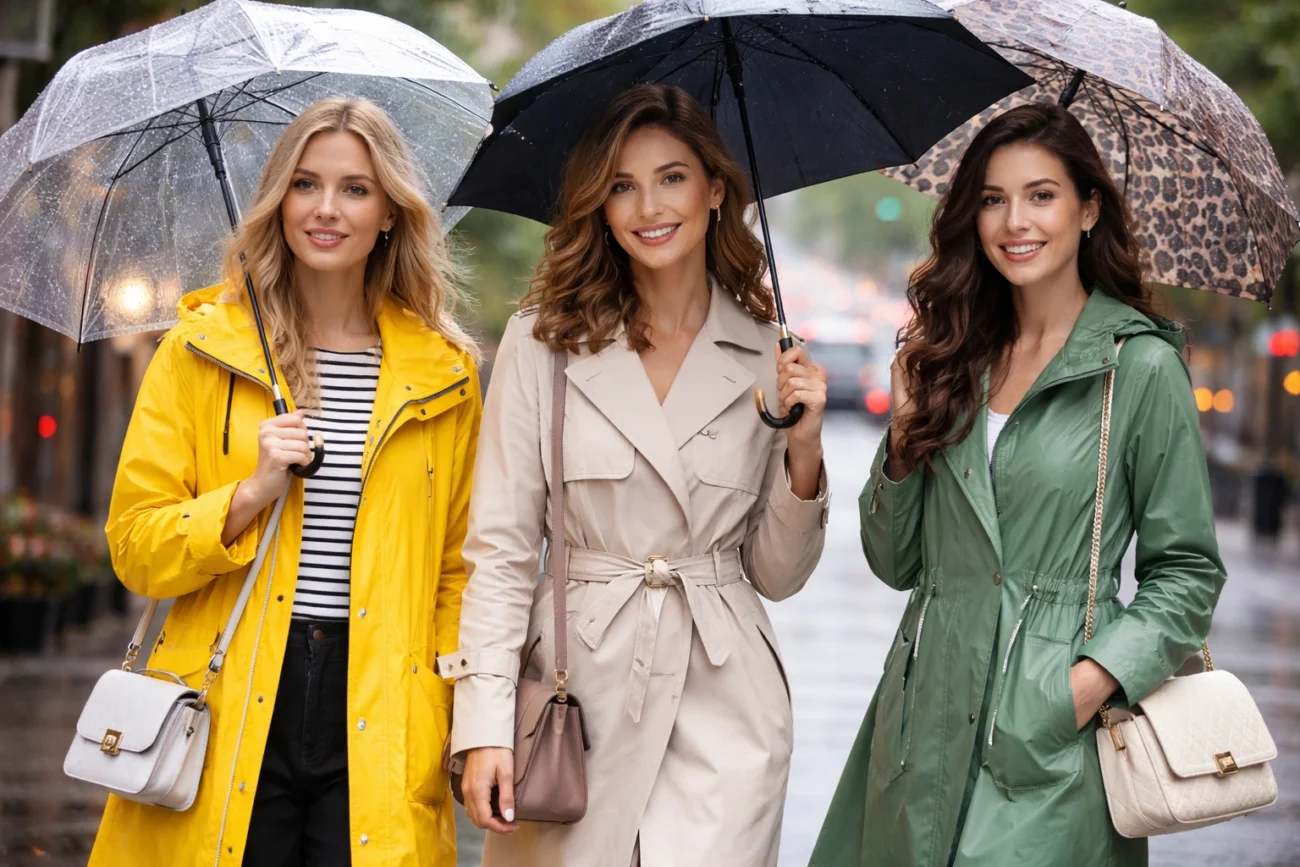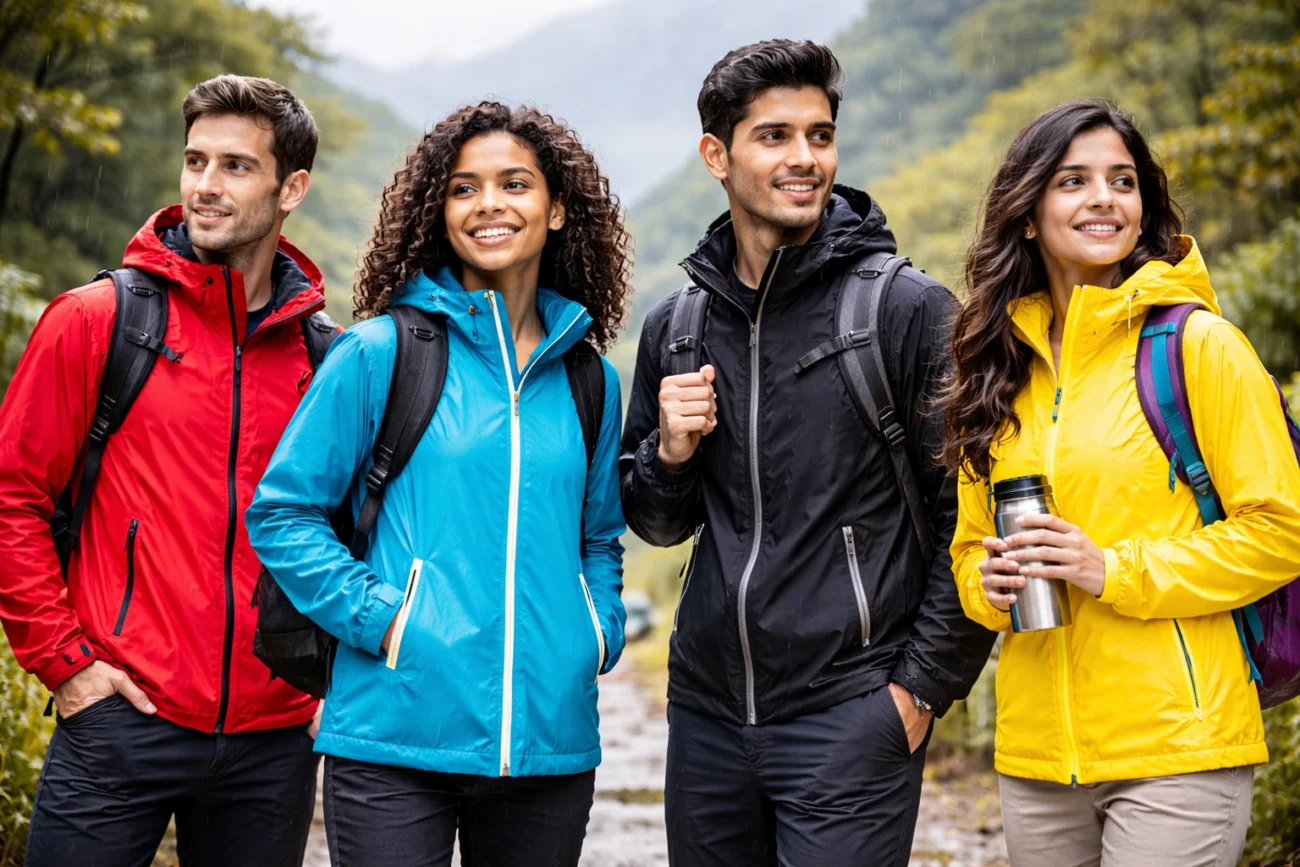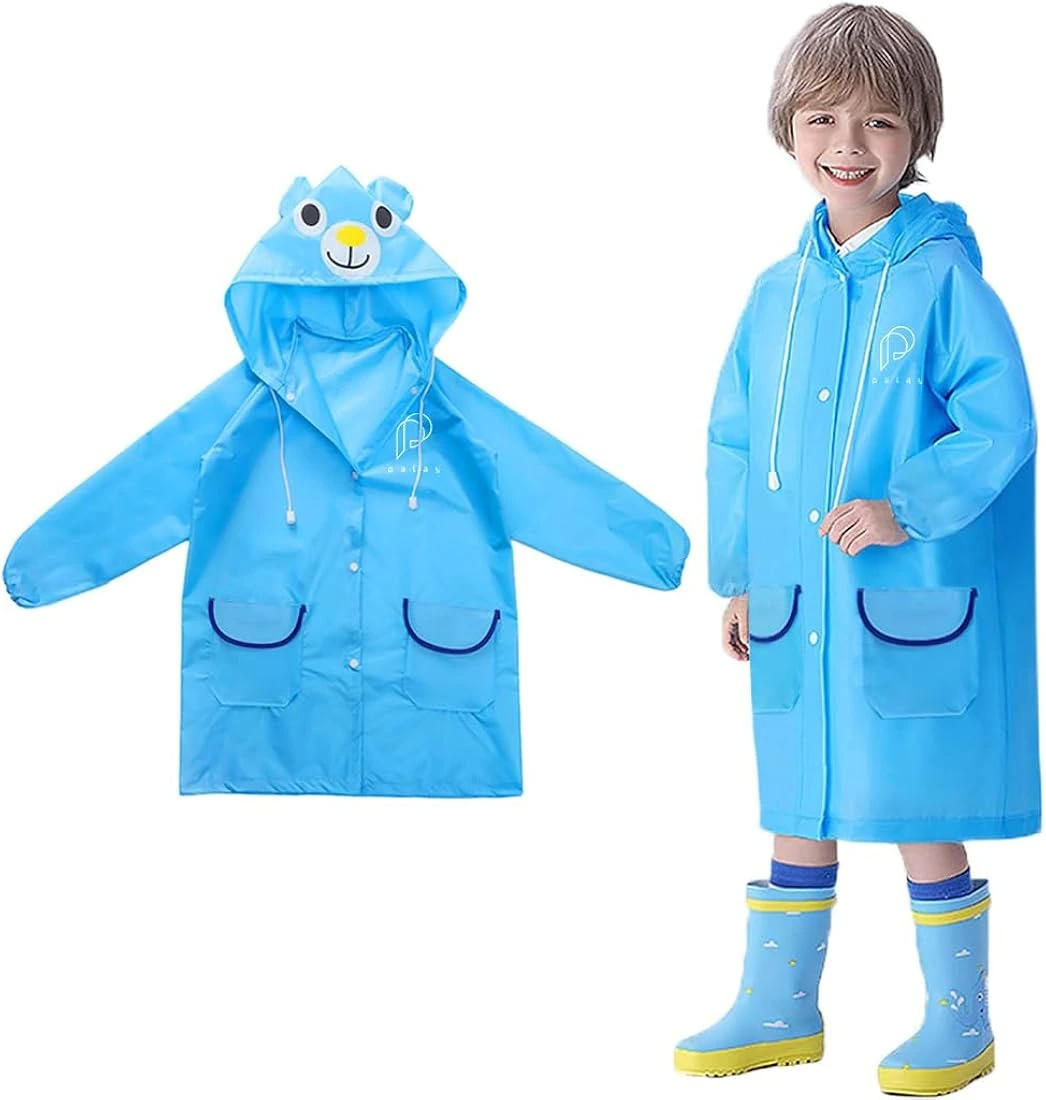
Kids raincoats for school represent one of the most important investments parents can make during India’s monsoon season. With the country experiencing 108% above-average rainfall during the 2025 southwest monsoon and extreme precipitation events affecting nearly half of all regions, keeping children dry and healthy has become increasingly challenging. At Real Rainwear, we specialize in designing children’s raincoats that combine superior weather protection with the durability, safety features, and playful designs that active kids need for both school commutes and outdoor adventures.
The global kids’ raincoat market, valued at $1.2 billion in 2024, is projected to reach $2.5 billion by 2033, growing at a robust 9.2% CAGR. This expansion reflects growing parental awareness about protecting children from adverse weather conditions and the health risks associated with monsoon exposure. Parents increasingly recognize that quality rainwear isn’t just about convenience—it’s about safeguarding children’s health during unpredictable weather patterns that have become more intense in recent years.
Why Are Kids Raincoats for School Essential in 2025?
Kids raincoats for school serve as critical protective gear against health risks that intensify during India’s monsoon season. Research demonstrates that excessive monsoon precipitation significantly increases the risk of childhood diarrheal diseases and waterborne illnesses, particularly in tropical wet and humid subtropical regions where most Indian cities are located. Children who get wet during their school commute face elevated exposure to pathogens transmitted through contaminated water and increased vulnerability to respiratory infections.
Beyond immediate health concerns, proper rain protection supports children’s educational consistency. Students arriving at school wet and uncomfortable struggle to concentrate, miss learning opportunities, and may develop negative associations with school attendance during rainy periods. Quality raincoats allow children to maintain normal routines regardless of weather conditions, supporting both physical health and academic performance throughout the extended monsoon season.
At Real Rainwear, our children’s raincoat collection emphasizes features that address Indian parents’ specific concerns: vibrant colors with soft linings that ensure kids stay safe and dry during monsoon adventures while maintaining comfort during long school days.
What Safety Features Should Kids Raincoats for School Include?
Kids raincoats for school require specific safety elements that distinguish them from general rain protection. Visibility represents the most critical safety consideration, as children often commute during low-light morning hours or overcast monsoon conditions when natural visibility decreases substantially.
Essential safety features include:
Reflective detailing: Data shows 73% of parents cite reflective elements as essential for visibility in low-light conditions. Strategic placement of reflective strips on shoulders, sleeves, and back panels increases visibility by up to 40% compared to non-reflective rainwear, making children more visible to motorists and other commuters.
Bright color options: Vibrant colors like yellow, orange, red, and bright blue significantly enhance visibility during gray monsoon days. These colors help parents, teachers, and drivers spot children easily in crowded environments or low-visibility conditions.
Adjustable hoods with secure fit: Properly designed hoods must cover children’s heads adequately without obstructing peripheral vision. Hoods with drawstring adjustments prevent wind from blowing them off while ensuring children maintain clear sightlines during play and navigation.
Non-slip features: For poncho-style designs, non-slip shoulder straps prevent the raincoat from shifting during movement, ensuring consistent coverage.
Easy-to-operate closures: Snap buttons, quality zippers with large pulls, or Velcro fastenings allow children to independently manage their raincoats without adult assistance. This independence is particularly important for older children at school who need to quickly remove wet gear upon entering buildings.
Kids raincoats for school that incorporate these safety elements provide parents with peace of mind while empowering children to navigate monsoon conditions confidently.
How Do You Choose the Right Material for Children’s Rainwear?
Kids raincoats for school must balance waterproofing effectiveness with child safety, requiring careful material selection. Not all waterproof fabrics are suitable for children, as some traditional materials contain chemicals linked to health concerns.
Material options and their characteristics include:
Kids raincoats for school should prioritize PVC-free, phthalate-free, and PFAS-free materials to minimize exposure to potentially harmful chemicals. EVA-based rainwear delivers the best balance for most children, with 87% of parents reporting higher satisfaction compared to PVC alternatives due to better breathability and comfort during active play.
For children with sensitive skin or allergies, look for hypoallergenic fabrics like ECO-PUL, which is manufactured without PFOS, PFOA, BPA, phthalates, lead, or dioxins—all compounds linked to skin irritation in young children. Quality materials tested to withstand 300+ wash cycles ensure raincoats maintain waterproofing effectiveness throughout multiple monsoon seasons.
What Size and Fit Considerations Matter for Growing Children?
Kids raincoats for school present unique sizing challenges due to children’s rapid growth rates. Parents need raincoats that fit properly for current use while accommodating reasonable growth to maximize value and reduce replacement frequency.
Effective sizing strategies include:
Room for layering: Raincoats should comfortably fit over school uniforms, sweaters, or light jackets without restricting movement. Test fit by having children wear typical school clothing and check that arm movement, shoulder rotation, and walking remain unrestricted.
Adjustable features: Elastic cuffs, adjustable hem drawstrings, and flexible waist systems allow raincoats to adapt as children grow. Some innovative designs include extendable cuff systems that let parents lengthen sleeves for multi-season wear.
Appropriate length: Full-length raincoats extending to mid-calf or knee level provide better protection than shorter styles, particularly for younger children who may not navigate puddles as carefully. Hoods that accommodate school bags prevent backpacks from getting soaked during commutes.
Age-appropriate independence: Younger children (preschool to grade 2) benefit from simple closures and minimal complicated features, while older children can handle more sophisticated designs with multiple pockets and adjustability options.
Kids raincoats for school that are too large create safety hazards—excess fabric can catch on playground equipment, hoods may obstruct vision, and children may trip over too-long hems. Conversely, overly tight raincoats restrict movement and tear more easily during active play. The ideal fit allows one finger of space between the fastened raincoat and the child’s body when wearing typical school clothing.
How Do Design Elements Encourage Children to Wear Rain Protection?
Kids raincoats for school face a unique challenge: they must appeal to children who often resist wearing rain gear despite obvious weather conditions. Modern children’s rainwear successfully incorporates design elements that transform necessary protection into desirable clothing.
Effective design strategies include:
Color-changing technology: Innovative raincoats feature patterns that reveal vibrant designs when wet, making rainy days more enjoyable and exciting for children. This gamification of rain protection encourages voluntary wear.
Character and pattern options: Raincoats featuring favorite characters, animals, or appealing patterns align with children’s interests and preferences. When children feel excited about their raincoat’s appearance, compliance increases dramatically.
Comfort features: Soft microfiber fleece linings provide warmth and comfort against skin, making raincoats pleasant to wear rather than uncomfortable obligations. Breathable fabrics prevent the clammy feeling that causes children to remove protection prematurely.
Packable convenience: Lightweight raincoats that fold into attached pouches or small bags are easy for children to carry in school bags, ensuring they have protection available when weather changes unexpectedly.
Peer-appropriate styling: Design-conscious older children and teenagers require raincoats that align with peer fashion norms while maintaining functionality. Sleek, modern designs in age-appropriate styles prevent the embarrassment factor that causes tweens and teens to refuse wearing rain protection.
Kids raincoats for school from Real Rainwear combine these appealing design elements with robust safety features, ensuring children receive comprehensive protection while feeling confident and comfortable in their monsoon gear.
What Maintenance Practices Extend Children’s Raincoat Lifespan?
Kids raincoats for school endure significant wear from active use, playground activities, and frequent exposure to mud and dirt. Proper maintenance preserves waterproofing effectiveness and extends usability across multiple monsoon seasons and potentially multiple children.
Essential care practices include:
Regular cleaning: Rinse raincoats after each use to remove mud, dirt, and pollutants that degrade waterproof coatings. For deeper cleaning, use mild soap and cool water rather than harsh detergents that damage protective treatments.
DWR reactivation: When water stops beading on the surface and instead soaks into fabric, reactivate the durable water repellent finish through low-heat tumble drying or apply fresh DWR treatment spray. This simple process restores water-shedding capability without replacing the entire raincoat.
Proper drying: Air dry raincoats completely before storage to prevent mildew growth, particularly important in humid Indian climates. Never store damp raincoats in closed lockers or bags where mold can develop.
Strategic storage: Hang raincoats in well-ventilated areas using broad hangers that maintain shoulder shape. For school storage, teach children to hang raincoats properly rather than stuffing them into crowded cubbies where damage occurs.
Damage monitoring: Check seams, zippers, and high-wear areas (elbows, shoulders) regularly for signs of degradation. Early repairs with seam sealer or zipper lubricant prevent minor issues from becoming major failures.
Kids raincoats for school that receive consistent maintenance can serve multiple monsoon seasons and potentially be passed down to younger siblings, significantly improving their cost-effectiveness compared to disposable or low-quality alternatives.
Why Should Parents Invest in Quality Rather Than Budget Options?
Kids raincoats for school range from inexpensive disposable ponchos to premium waterproof jackets, creating decisions about appropriate investment levels. While budget constraints are real considerations for most families, quality rainwear delivers superior value through enhanced durability, better health protection, and improved child comfort.
Over 60% of Indian parents prioritize purchasing quality rainwear to ensure children stay dry and healthy during monsoon season, recognizing that effective protection reduces medical expenses and school absences. Quality raincoats from established manufacturers like Real Rainwear, Wildcraft, and Zeel typically cost more upfront but deliver multiple seasons of reliable performance compared to budget alternatives that fail after minimal use.
Consider that the Indian kids’ apparel market, including rain gear, is projected to reach $60 billion by 2025, growing at 5.6% annually as parents increasingly invest in functional, quality children’s clothing. This growth reflects shifting consumer preferences toward durable, well-designed products that combine protection with style—exactly what modern children need for successful monsoon navigation.
Quality raincoats also support environmental sustainability by reducing waste. Durable rainwear that lasts multiple seasons and serves multiple children generates far less environmental impact than disposable options requiring frequent replacement. Parents concerned about both their children’s wellbeing and environmental responsibility find quality investment aligns with both values.
Frequently Asked Questions
Q: At what age can children start wearing raincoats independently?
A: Most children can manage simple raincoat closures independently by age 4-5, though this varies by child development and raincoat design. Choose easy-to-operate snap buttons or large zipper pulls for younger children, progressing to more complex designs as they mature.
Q: How do I prevent my child from overheating in a raincoat during humid weather?
A: Select breathable waterproof fabrics like EVA or recycled polyester with high moisture vapor transmission rates. Avoid PVC raincoats, which trap heat and moisture. Ensure proper sizing that allows air circulation, and choose designs with ventilation features.
Q: Should I buy a raincoat that covers my child’s school bag?
A: Yes, particularly for younger children. Full-length raincoats with hoods large enough to accommodate backpacks provide comprehensive protection and prevent expensive electronics, books, and school supplies from getting soaked.
Q: How often should I replace my child’s raincoat?
A: Quality raincoats with proper maintenance typically last 2-3 years or until children outgrow them. Replace when waterproofing fails despite DWR reactivation, seams deteriorate, or safety features like reflective elements become damaged.
Q: Are expensive branded raincoats really better than budget options for kids?
A: Generally yes. Quality brands use safer materials (PVC-free, phthalate-free), incorporate essential safety features like reflective elements, and offer superior durability. While initial costs are higher, they typically deliver better long-term value through extended lifespan and better protection.
Q: What’s the safest raincoat material for children with sensitive skin?
A: Look for PVC-free, phthalate-free, and PFAS-free materials like EVA, PEVA, or specially treated polyester. Hypoallergenic fabrics manufactured without PFOS, PFOA, BPA, or chemical irritants work best for children with allergies or skin sensitivities.