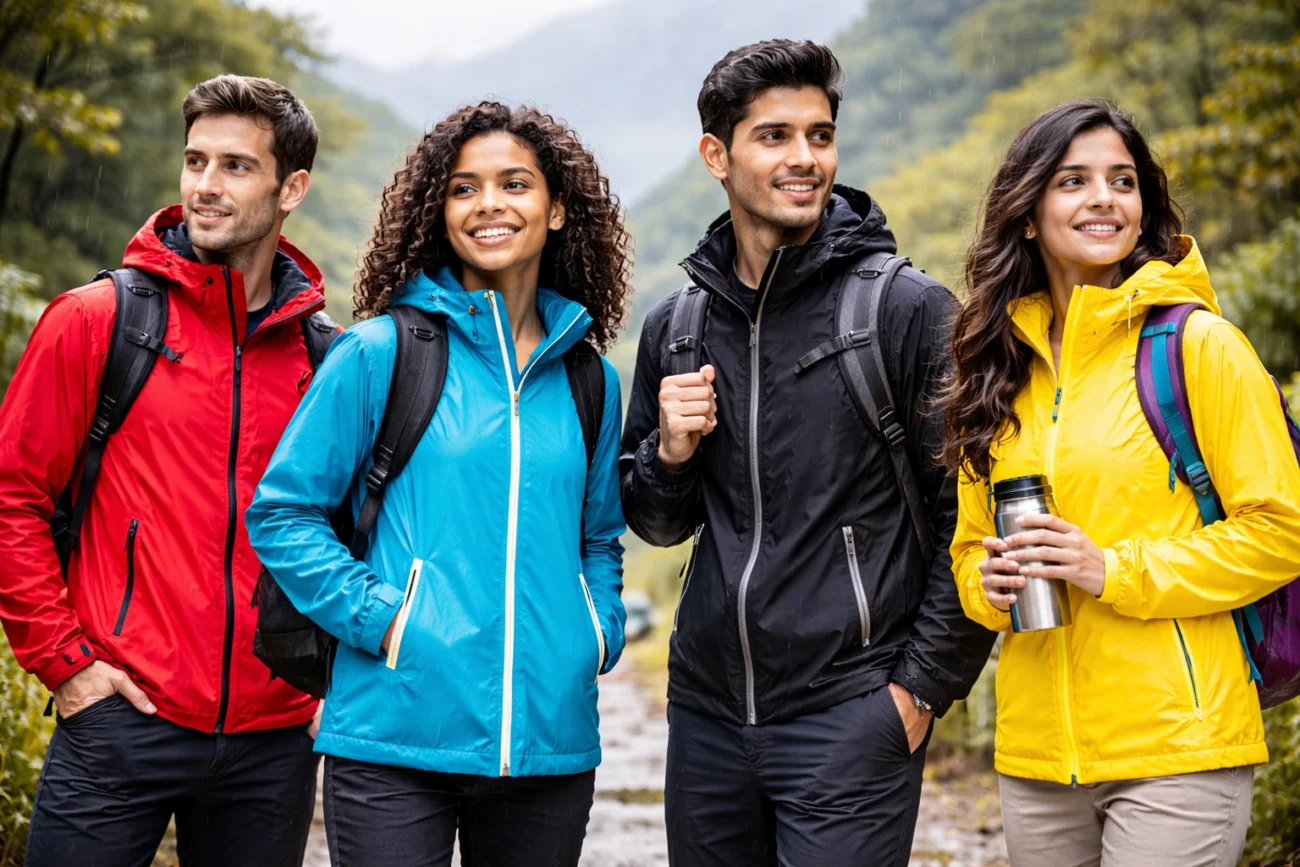
Waterproof jackets have evolved dramatically in 2026, blending cutting-edge technology with fashion-forward designs that cater to both functionality and style. As climate patterns continue to shift and urban lifestyles demand versatile outerwear, the modern waterproof jacket has become an essential wardrobe staple rather than just seasonal rain gear. At Real Rainwear, we’ve closely monitored the industry’s transformation to bring you insights into what makes today’s waterproof jackets stand out in an increasingly competitive market.
Waterproof jackets in 2026 reflect a significant departure from the bulky, plastic-looking raincoats of the past. Today’s designs incorporate sustainable materials, smart fabric technologies, and aesthetic sensibilities that make them appropriate for everything from mountain treks to urban commutes. Real Rainwear has embraced these innovations while maintaining our commitment to accessible pricing and proven performance, ensuring that quality protection doesn’t require compromising your budget or personal style.
Understanding current trends helps consumers make informed decisions that align with their lifestyle needs and values. This comprehensive guide explores the defining characteristics of 2026’s waterproof jacket landscape, from material innovations to design philosophies, helping you identify the features that matter most for your specific requirements.
Why Are Waterproof Jackets More Important Than Ever in 2026?
Waterproof jackets have transitioned from weather-specific gear to year-round essentials, driven by several converging factors that define life in 2026. Climate unpredictability means that sudden weather changes can occur regardless of season, making preparedness crucial for maintaining daily routines without disruption.
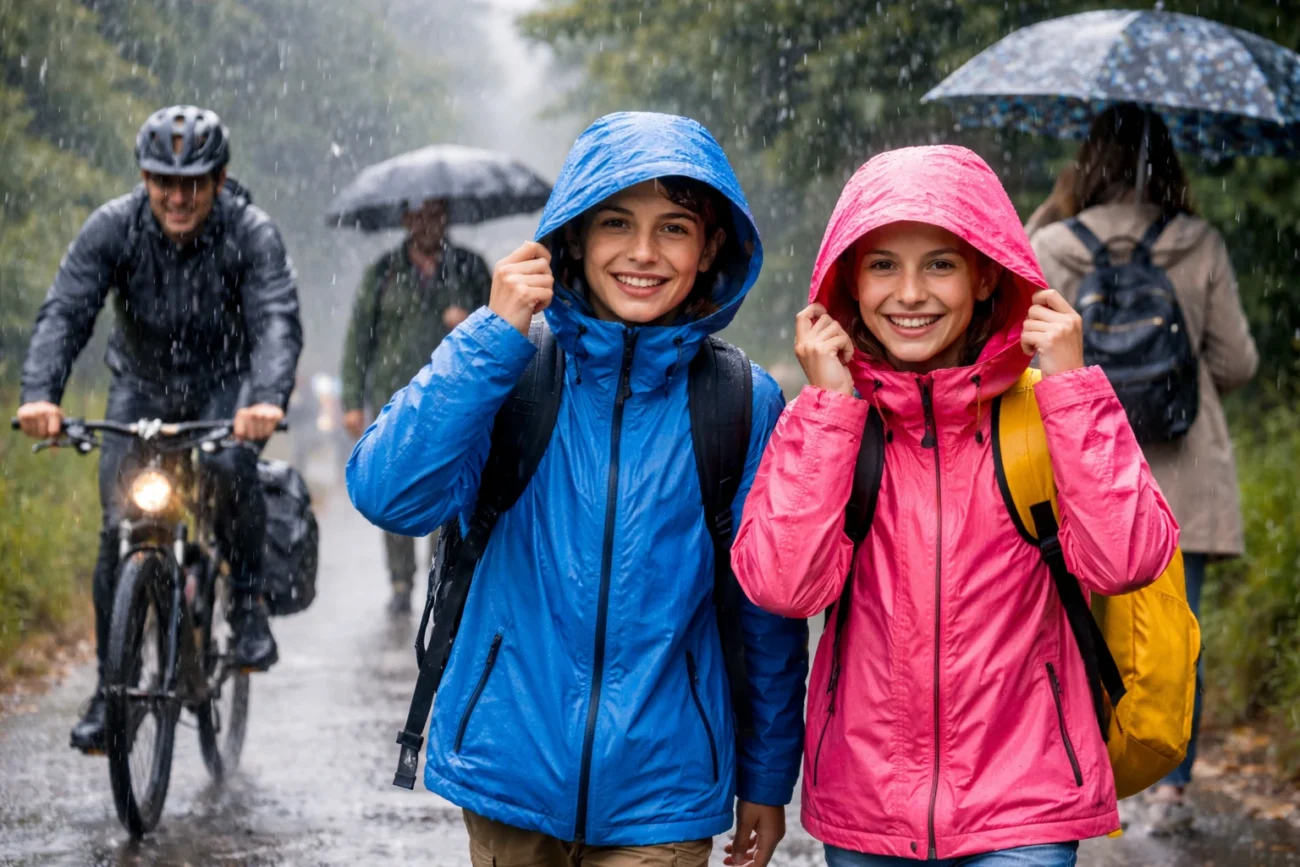
The Indian Meteorological Department reports that urban areas across India experienced 35% more unpredictable rainfall events in 2025 compared to five years prior, with this trend continuing into 2026. Waterproof jackets provide the flexibility to navigate these sudden weather shifts without carrying bulky umbrellas or risking damage to expensive clothing and electronic devices. Real Rainwear’s customer data shows that modern consumers use waterproof jackets an average of 140 days per year, far exceeding traditional monsoon-only usage patterns.
Beyond weather protection, waterproof jackets in 2026 serve multiple functional roles that extend their value proposition. Many designs incorporate features like windproofing, thermal insulation, and UV protection, creating all-season outerwear that addresses various environmental challenges. This versatility makes them particularly valuable in India’s diverse climate zones, where a single garment that performs across different conditions represents both practical and economic advantages.
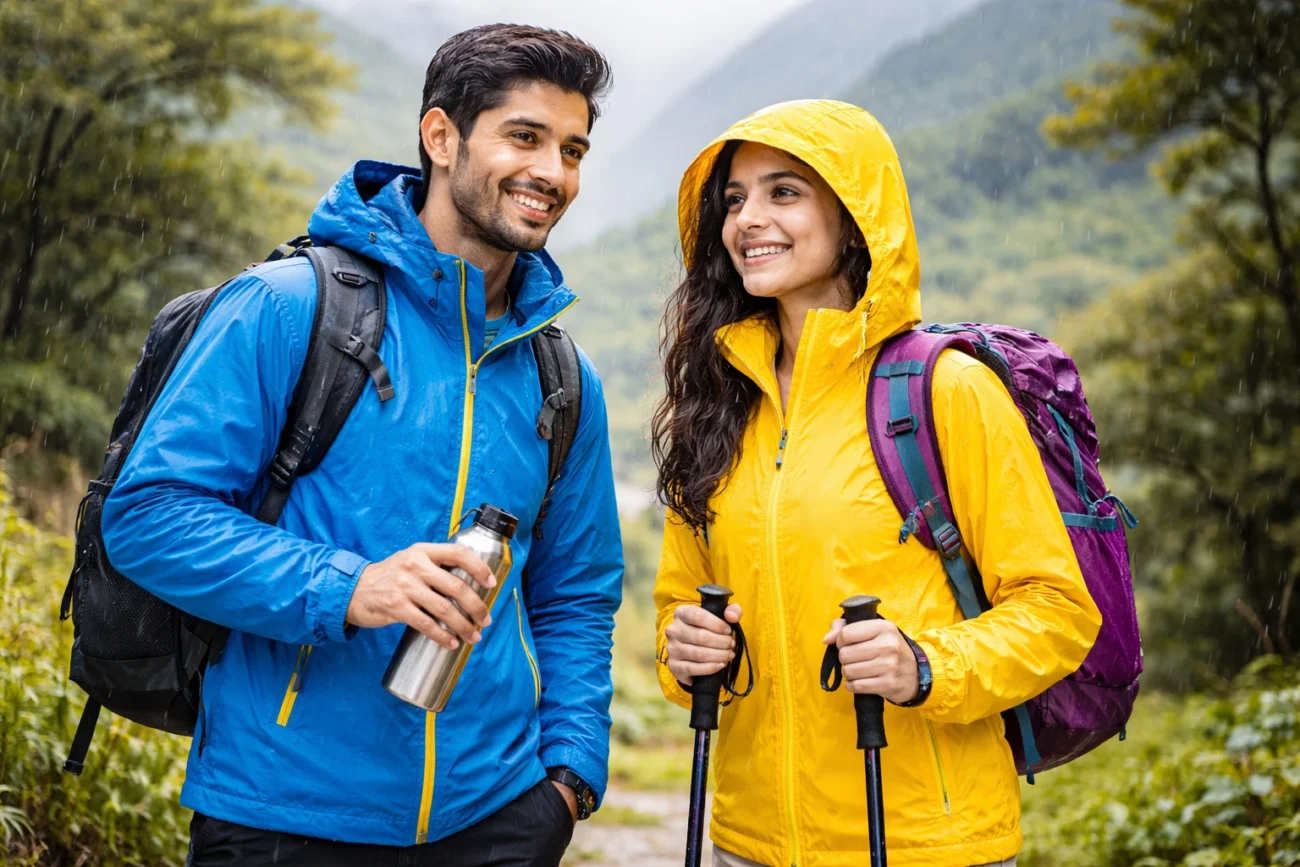
The shift toward outdoor recreation and adventure tourism in India has further elevated the importance of quality waterproof jackets. More Indians than ever are engaging in activities like trekking, camping, and cycling, where reliable weather protection isn’t just about comfort—it’s about safety. According to the Adventure Tour Operators Association of India, outdoor adventure participation grew by 42% in 2025, creating unprecedented demand for performance outerwear.
What Defines a Quality Waterproof Jacket in 2026?
Waterproof jackets must meet rigorous performance standards to earn their designation, and understanding these criteria helps consumers distinguish genuine protection from marketing claims. The foundation of any legitimate waterproof jacket lies in its hydrostatic head rating, which measures how much water pressure the fabric can withstand before leaking.
Industry standards consider fabrics with hydrostatic ratings above 5,000mm as waterproof, with premium waterproof jackets often exceeding 10,000mm or even 20,000mm. These numbers indicate the height of a water column the fabric can support before moisture penetrates—higher numbers mean better protection in sustained, heavy rainfall. However, waterproofing alone doesn’t guarantee comfort or wearability.
Breathability represents the second critical dimension of quality waterproof jackets. Measured in grams of moisture vapor transmitted per square meter over 24 hours (g/m²/24hr), breathability determines whether you’ll stay dry from the inside as well as the outside. Waterproof jackets in 2026 increasingly feature breathable membranes or coatings that allow body moisture to escape while blocking external water, with ratings typically ranging from 5,000 g/m²/24hr for basic models to 25,000+ g/m²/24hr for high-performance options.
Seam construction critically impacts overall waterproof jacket performance. Even the most advanced fabrics fail if water seeps through stitching holes. Quality waterproof jackets feature fully taped or welded seams that seal these potential entry points. In 2026, leading manufacturers use ultrasonic welding technology that creates seamless bonds without traditional stitching, eliminating weak points entirely.
Durable Water Repellent (DWR) treatments form the first line of defense in modern waterproof jackets. This exterior coating causes water to bead and roll off the surface rather than saturating the outer fabric. While DWR treatments wear off over time and require reapplication, they significantly extend the effective lifespan and comfort of waterproof jackets by keeping the outer layer from becoming waterlogged and heavy.
How Have Sustainable Materials Transformed Waterproof Jackets?
Waterproof jackets in 2026 reflect the broader apparel industry’s commitment to environmental responsibility, with sustainable materials moving from niche offerings to mainstream expectations. This transformation addresses growing consumer awareness about the environmental impact of synthetic fabrics and chemical treatments traditionally used in rainwear manufacturing.
Recycled polyester has become the dominant base fabric for waterproof jackets, with many manufacturers sourcing material from post-consumer plastic bottles. Real Rainwear’s 2026 collection incorporates recycled content in over 70% of our waterproof jacket line, reducing petroleum dependence while maintaining the durability and performance characteristics customers expect. Each jacket diverts approximately 20-25 plastic bottles from landfills and oceans, giving consumers a tangible connection to environmental impact.
PFC-free waterproofing represents another significant sustainability advancement in waterproof jackets. Traditional water-repellent treatments relied on per- and polyfluoroalkyl substances (PFCs), which persist in the environment and accumulate in living organisms. Modern alternatives using wax-based or polymer technologies provide effective water resistance without these environmental and health concerns, though they may require more frequent reapplication.
Bio-based membranes are emerging as alternatives to petroleum-derived waterproofing layers. Waterproof jackets incorporating these innovations use materials derived from renewable sources like castor oil, sugar cane, or even algae. While currently more expensive than conventional options, scaling production is rapidly improving cost-effectiveness, making these materials increasingly accessible in mid-range waterproof jackets.
Manufacturers are also reconsidering entire production processes to reduce water consumption, energy use, and chemical waste. Solution-dyed fabrics, which integrate color into synthetic fibers during manufacturing rather than through post-production dyeing, reduce water usage by up to 90% while creating more colorfast waterproof jackets that maintain their appearance longer.
What Are the Key Design Trends Shaping Waterproof Jackets?
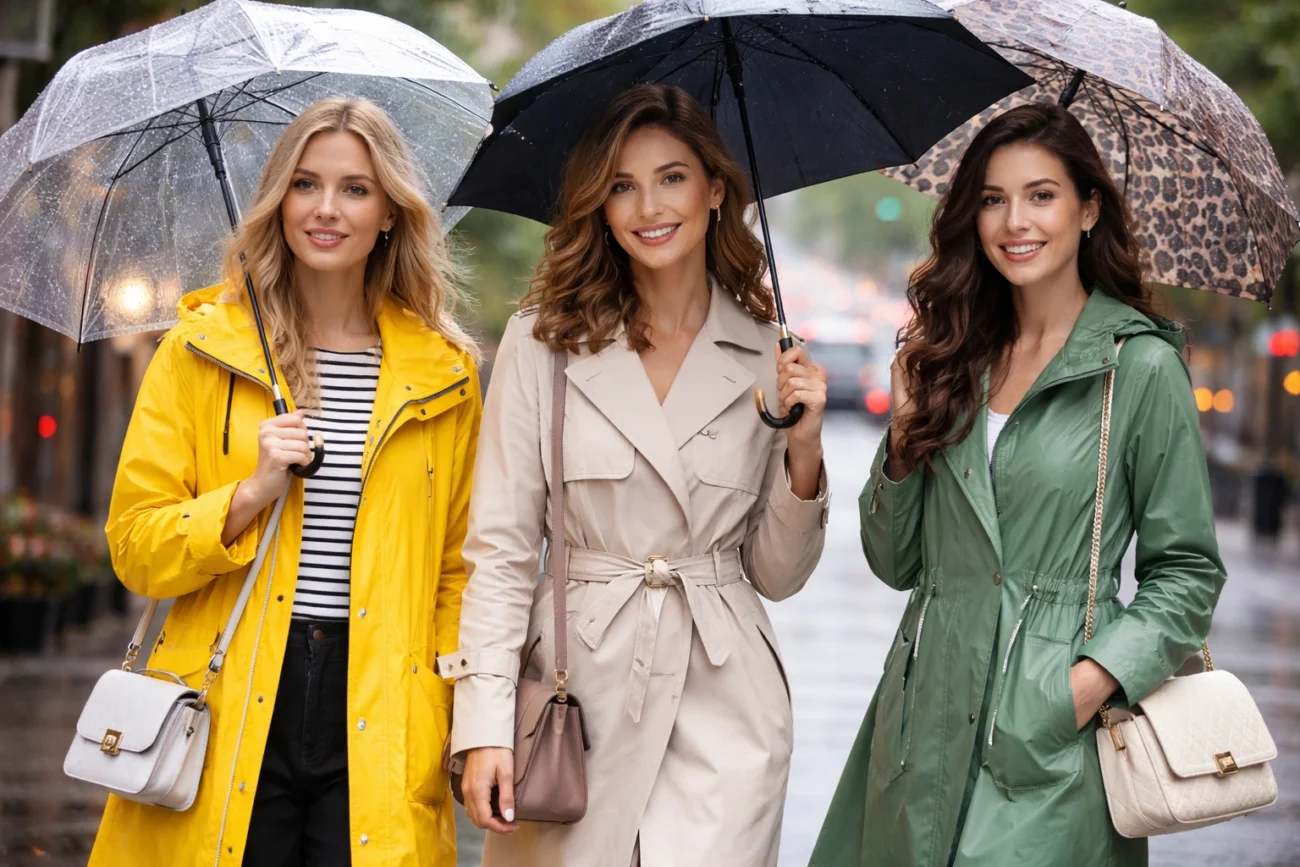
Waterproof jackets in 2026 showcase design philosophies that prioritize versatility, with technical features integrated so seamlessly that the garments transition effortlessly between outdoor adventures and urban settings. This “urban outdoor” aesthetic dominates the market, reflecting lifestyles that blur traditional boundaries between city and nature.
Minimalist silhouettes define contemporary waterproof jacket design, moving away from the exaggerated, bulky profiles of previous generations. Clean lines, subtle branding, and monochromatic color palettes create sophisticated looks that work equally well for office commutes and weekend hikes. This aesthetic shift acknowledges that most consumers need outerwear that serves multiple contexts rather than purpose-specific garments they’ll rarely wear.
Modular design elements allow wearers to customize waterproof jackets for different conditions. Removable hoods, zip-out liners, and adjustable ventilation systems transform a single jacket into multiple configurations. Some premium waterproof jackets feature magnetic or zip-in compatible layers that can be added or removed based on temperature and activity level, maximizing the garment’s useful life across seasons and scenarios.
Extended length options have gained popularity in waterproof jackets designed for urban use, with styles ranging from traditional hip-length to mid-thigh and even knee-length cuts. These longer profiles provide enhanced coverage for professional attire and offer more comprehensive weather protection for cyclists and motorcycle commuters, addressing specific urban transportation needs.
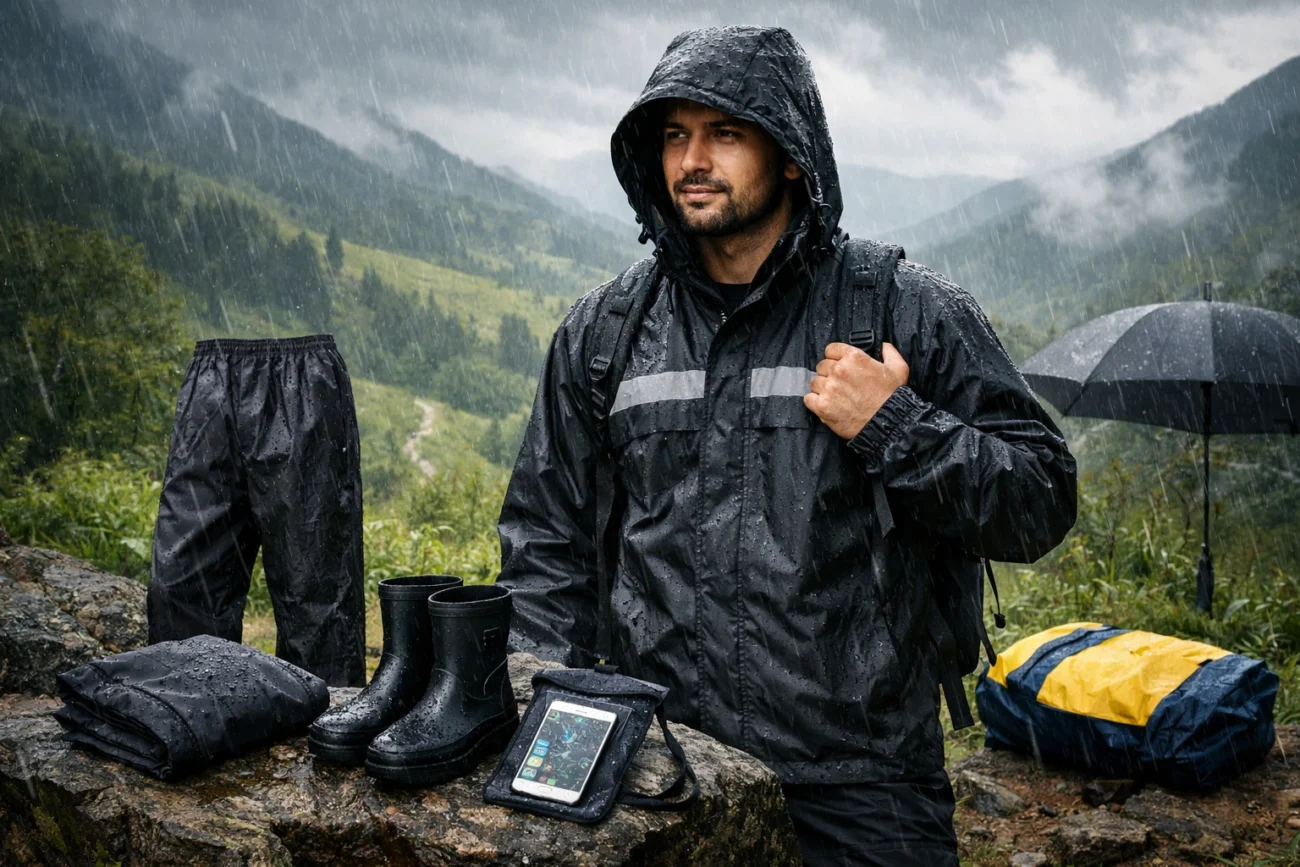
Technical pocket innovations in waterproof jackets reflect our digital lives, with dedicated compartments for smartphones, tablets, and portable batteries integrated into designs. Many feature interior pockets with special materials that allow touchscreen use without removing devices, acknowledging that people need access to navigation and communication tools even in harsh weather.
Color trends in waterproof jackets have expanded beyond traditional outdoor hues like forest green and navy. Earth tones including terracotta, olive, and warm grays dominate 2026 collections, alongside bold accent colors like coral and electric blue that add personality without appearing juvenile. This expanded palette makes waterproof jackets more appealing to fashion-conscious consumers who previously avoided technical outerwear due to aesthetic concerns.
How Do Different Waterproof Technologies Compare?
Waterproof jackets utilize various technological approaches to achieve moisture protection, each with distinct advantages, limitations, and ideal use cases. Understanding these differences helps consumers match products to their specific needs rather than simply choosing based on price or brand recognition.
Traditional PU (polyurethane) coatings remain common in entry-level waterproof jackets, offering reliable basic protection at accessible price points. These coatings bond to the interior side of fabric, creating a waterproof barrier. While effective in moderate rainfall, PU-coated waterproof jackets typically sacrifice breathability and may feel clammy during physical activity. They work well for short-duration wear or light rain but aren’t ideal for extended outdoor exposure or high-exertion activities.
Gore-Tex and similar proprietary membranes represent the premium tier of waterproof jackets, using microporous structures with holes small enough to block liquid water but large enough to allow water vapor escape. Waterproof jackets featuring these technologies offer exceptional breathability alongside waterproofing, making them comfortable even during intense physical activity. The primary drawbacks are higher cost and the need for proper care to maintain performance over time.
PVC and vinyl-based waterproof jackets provide absolute waterproofing at the lowest price points but offer virtually no breathability. These materials work well for workers needing maximum protection from water, chemicals, or other liquids, but are uncomfortable for everyday wear, especially in India’s humid climate. At Real Rainwear, we typically recommend these only for specific industrial or fishing applications rather than general use.
Laminated fabrics bond waterproof membranes directly to outer materials, creating integrated protection. Two-layer constructions feature the waterproof membrane bonded to the outer fabric with a loose liner, offering good performance at moderate prices. Three-layer laminates bond the membrane between outer fabric and inner lining, creating the most durable and packable waterproof jackets, though typically at premium prices.
Nanotech treatments represent emerging technology in waterproof jackets, using microscopic particles that create water-repellent surfaces at the molecular level. These treatments maintain fabric hand-feel and breathability better than traditional coatings while providing impressive water resistance. As production scales, these technologies are becoming more common in mid-range waterproof jackets.
What Features Should You Prioritize Based on Your Needs?
Waterproof jackets serve diverse purposes, and identifying your primary use case helps focus on features that deliver genuine value rather than paying for capabilities you won’t use. Different activities and environments demand different performance characteristics from waterproof outerwear.
For urban commuters, waterproof jackets should emphasize packability, style, and quick-access storage. Look for designs that compress into their own pockets for easy carrying when weather clears, have clean aesthetics appropriate for professional settings, and include secure pockets for valuables and electronics. Reflective elements enhance safety during early morning or evening commutes, particularly relevant for India’s bustling urban traffic conditions.
Adventure enthusiasts need waterproof jackets that prioritize durability, extended weather protection, and performance features. Reinforced high-wear areas, helmet-compatible hoods, pit zips for ventilation, and multiple exterior pockets for gear access matter more than fashion considerations. If you regularly engage in activities like trekking or climbing, investing in waterproof jackets with higher breathability ratings prevents the miserable experience of getting soaked from internal condensation.
Casual users seeking general-purpose rain protection can focus on waterproof jackets that balance cost with basic functionality. Mid-level waterproofing and breathability ratings, simple designs with fewer technical features, and versatile styling that works across various contexts provide good value. These waterproof jackets handle typical monsoon conditions and occasional outdoor recreation without the premium costs associated with specialized performance gear.
Motorcycle and bicycle riders require waterproof jackets with specific design considerations. Extended back panels prevent riding postures from exposing the lower back, longer sleeves account for forward-reaching arm positions, and high collars protect neck areas vulnerable to water intrusion. Some specialized waterproof jackets include armor pockets for protective inserts, though these remain niche products in the Indian market.
Where Should Men and Women Shop for Quality Waterproof Jackets?
Waterproof jackets for men and women have distinct design considerations that extend beyond simple sizing differences, reflecting different body proportions, style preferences, and functional requirements. Shopping at specialized retailers ensures access to properly tailored options rather than settling for unisex designs that compromise fit and comfort.
Men’s waterproof jackets typically feature broader shoulders, longer torsos, and straighter cuts that accommodate masculine body shapes. Real Rainwear’s men’s jacket collection includes designs specifically engineered for male proportions, ensuring proper fit without excess fabric bunching or restrictive movement. Features like beard-friendly collar designs and longer sleeve lengths address practical male-specific considerations.
Women’s waterproof jackets incorporate shaped waists, higher armholes, shorter torso lengths, and chest darts that provide proper fit for feminine body types. Without these tailoring differences, waterproof jackets pull uncomfortably, restrict movement, or create unflattering silhouettes. The women’s jacket section at Real Rainwear offers designs that honor these distinctions while maintaining full technical performance capabilities.
Specialized retailers provide expertise in fitting waterproof jackets properly, helping customers understand how technical outerwear should feel compared to regular clothing. The layering test—trying on waterproof jackets while wearing the clothing you’ll actually use underneath—reveals whether sizing accommodates real-world use rather than just bare-armed fitting room trials.
Online shopping for waterproof jackets offers convenience and often better selection than physical stores, but requires careful attention to sizing charts and return policies. Detailed measurements of your body compared against manufacturer size guides produces better results than simply ordering your usual clothing size, as waterproof jacket sizing often differs from standard apparel sizing conventions.
How Do You Care for Waterproof Jackets to Maximize Lifespan?
Waterproof jackets represent significant investments that, with proper care, can provide reliable service for many years. However, these technical garments require different maintenance approaches than regular clothing, and neglecting proper care rapidly degrades their performance characteristics.
Regular cleaning prevents dirt and body oils from clogging the breathable membranes in waterproof jackets, but harsh detergents strip protective treatments and damage delicate fabrics. Use specialized technical wash products designed for waterproof garments, or at minimum, gentle detergents without fabric softeners, optical brighteners, or harsh chemicals. Wash waterproof jackets separately in cool water on gentle cycles, and always rinse thoroughly to remove all soap residue.
Drying waterproof jackets properly matters as much as washing correctly. Air-drying in well-ventilated areas away from direct heat sources prevents damage to waterproof membranes and coatings. Some manufacturers recommend occasional tumble-drying on low heat to reactivate DWR treatments, but this varies by specific product—always check care labels for manufacturer recommendations specific to your waterproof jacket.
DWR reapplication becomes necessary when you notice water soaking into the outer fabric rather than beading up and rolling off. Spray-on or wash-in DWR products restore water-repellent properties, extending your waterproof jacket’s effective life significantly. This simple maintenance step, performed once or twice per season depending on use frequency, keeps waterproof jackets performing like new for years.
Storage practices impact waterproof jacket longevity more than many realize. Never store damp waterproof jackets, as trapped moisture promotes mildew growth and fabric degradation. Hang on padded hangers in cool, dry locations rather than cramming into tight spaces that create permanent creases. Avoid storing in direct sunlight or near heat sources that can damage synthetic fabrics and waterproof coatings.
Prompt repair of small damages prevents minor issues from becoming major failures. Small tears can be patched with specialized repair tape designed for waterproof jackets, while separated seams might require seam sealer reapplication. Addressing these problems immediately maintains comprehensive protection and prevents water intrusion that can damage inner layers.
What Price Point Offers the Best Value in Waterproof Jackets?
Waterproof jackets span enormous price ranges, from budget options under ₹2,000 to premium technical pieces exceeding ₹20,000. Understanding what you’re paying for at different price tiers helps identify the sweet spot between affordability and performance for your specific needs.
Budget waterproof jackets (₹1,500-₹4,000) typically use basic PU coatings or simple vinyl materials with minimal breathability. These work adequately for light rain and occasional use but feel uncomfortable during extended wear or physical activity. If you need waterproof jackets only for brief exposure during occasional rainfall, these entry-level options provide functional protection without significant investment.
Mid-range waterproof jackets (₹4,000-₹10,000) represent the value sweet spot for most consumers, incorporating decent waterproof/breathable fabrics, thoughtful design features, and adequate durability for regular use. Real Rainwear focuses primarily on this segment, believing that effective weather protection shouldn’t require premium pricing. These waterproof jackets handle typical Indian monsoon conditions comfortably and last multiple seasons with proper care.
Premium waterproof jackets (₹10,000-₹20,000+) justify higher costs through superior fabrics, exceptional breathability, advanced features, and brand prestige. If you regularly engage in demanding outdoor activities or need waterproof jackets that perform flawlessly in extreme conditions, these investments make sense. However, casual users rarely utilize the full capabilities of premium waterproof jackets, making them unnecessary expenditures for many buyers.
The best value in waterproof jackets comes from honestly assessing your actual usage patterns and matching products to those needs. Overspending on features you won’t use wastes money, while under-buying creates frustration and potential safety issues. Most urban Indians find optimal value in quality mid-range waterproof jackets that balance performance, durability, and cost effectively.
Frequently Asked Questions
Q: How long do waterproof jackets typically last with regular use?
A: Quality waterproof jackets with proper care can last 5-8 years of regular use. Mid-range options typically provide 3-5 years of reliable service, while budget models may need replacement after 1-2 seasons. Longevity depends heavily on maintenance practices, use frequency, and storage conditions.
Q: Can waterproof jackets be tailored or altered for better fit?
A: Alterations on waterproof jackets are challenging and often inadvisable, as stitching creates holes that compromise waterproofing and sealed seams cannot be recreated easily. Minor hem adjustments may be possible, but significant alterations risk destroying the jacket’s protective capabilities. It’s better to invest time finding proper fit initially.
Q: Do more expensive waterproof jackets always perform better than affordable options?
A: Not necessarily for typical use. Premium waterproof jackets excel in extreme conditions or high-exertion activities, but mid-range options from reputable manufacturers perform excellently for everyday needs. Price often reflects brand positioning, fashion elements, or specialized features that casual users may not require.
Q: What’s the difference between waterproof and water-resistant jackets?
A: Waterproof jackets completely block water penetration, suitable for sustained heavy rain. Water-resistant jackets repel light moisture but will eventually leak in prolonged exposure. For Indian monsoons, true waterproof jackets provide necessary protection, while water-resistant options work only for light drizzle.
Q: How often should I reapply DWR treatment to my waterproof jacket?
A: Reapply DWR when water stops beading on the surface and begins soaking into the outer fabric. For regular users, this typically occurs every 3-6 months. Washing frequency accelerates DWR degradation, so treat after every 3-5 washes or whenever you notice decreased water repellency.
Q: Are there specific waterproof jacket features important for India’s climate?
A: Yes—breathability is crucial in India’s humid conditions to prevent internal moisture buildup. Ventilation features like pit zips help regulate temperature during warm monsoon weather. Longer lengths protect against India’s heavy downpours, while quick-dry materials prevent extended dampness in high humidity environments.